 Spain, 2026 world champions
In short: The 2026 World Cup is played across 16 stadiums split between the United States (11), Mexico (3) and Canada (2). It is the first World Cup hosted by three countries and the biggest in history with 48 teams. Here you will find every venue, its capacity, location and the key matches it hosts.
The 16 World Cup 2026 venues: full table
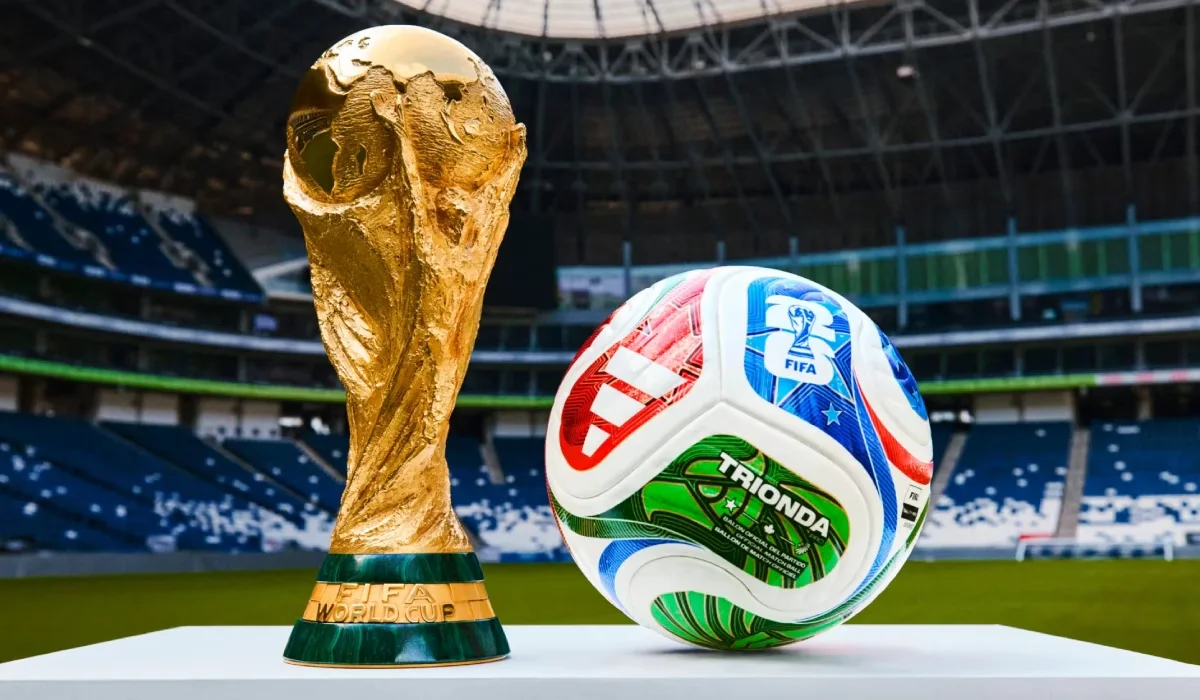
FIFA selected 16 host cities for the 2026 World Cup, spread across three North American countries. With 104 matches scheduled (48 more than Qatar 2022), the combined infrastructure of three nations was needed to host the biggest tournament in football history. Below is the full table of every stadium, its capacity and the key matches it will host.
| Stadium | City | Country | Capacity | Key matches |
|---|---|---|---|---|
MetLife Stadium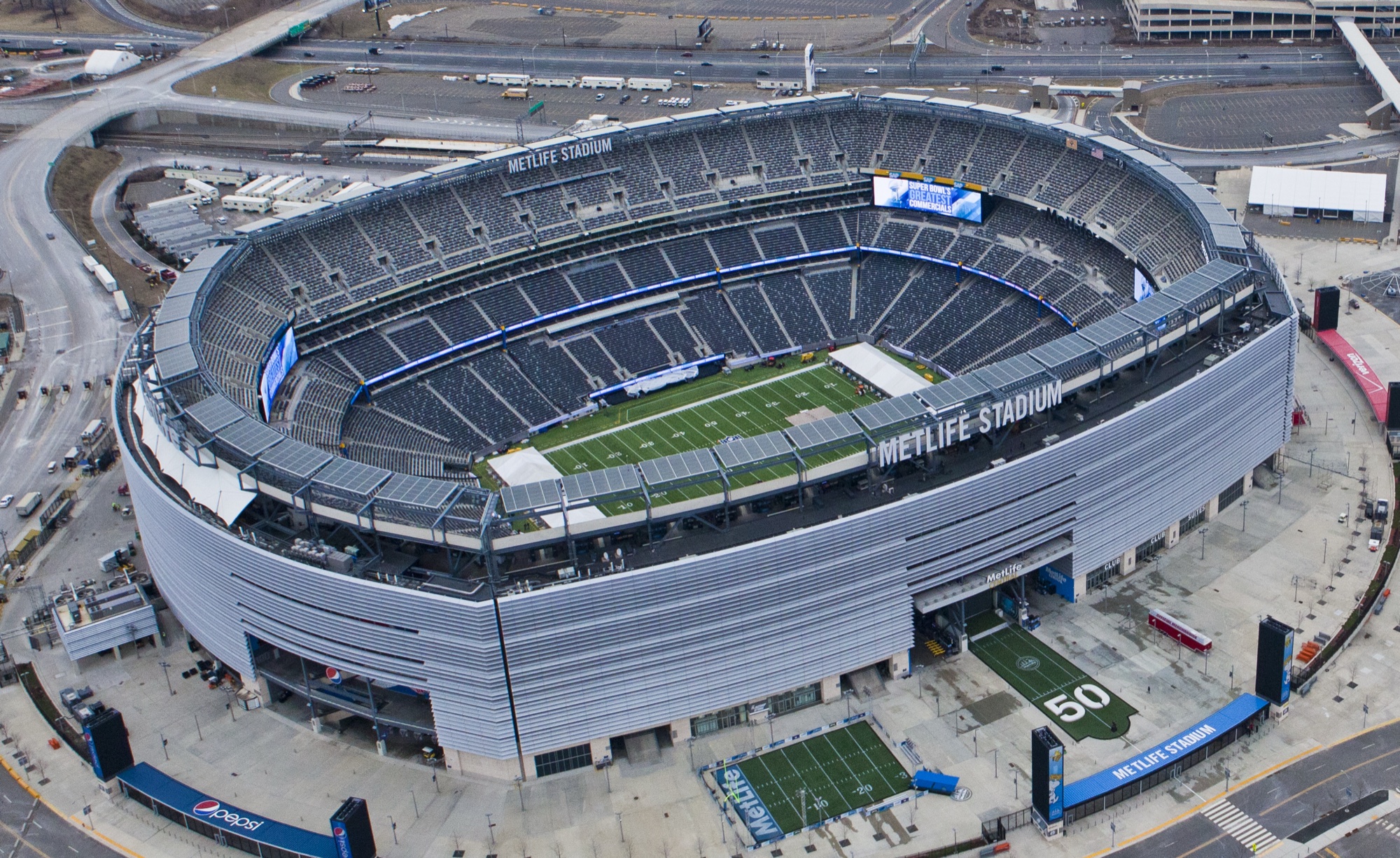 MetLife Stadium · 78,576 MetLife Stadium · 78,576 | East Rutherford, NJ | USA | 78,576 | FINAL |
Estadio Azteca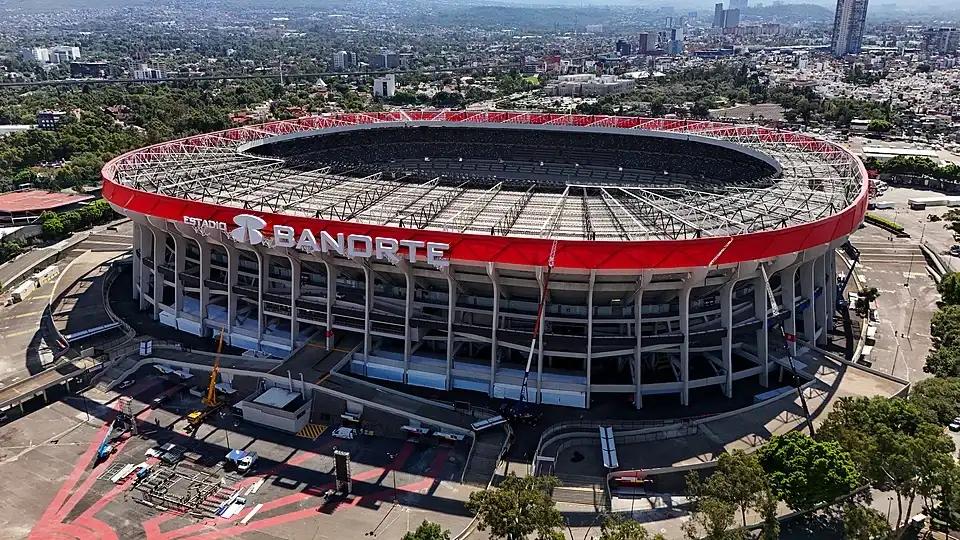 Estadio Azteca · 72,766 Estadio Azteca · 72,766 | Mexico City | Mexico | 72,766 | Opening, Round of 16 |
AT&T Stadium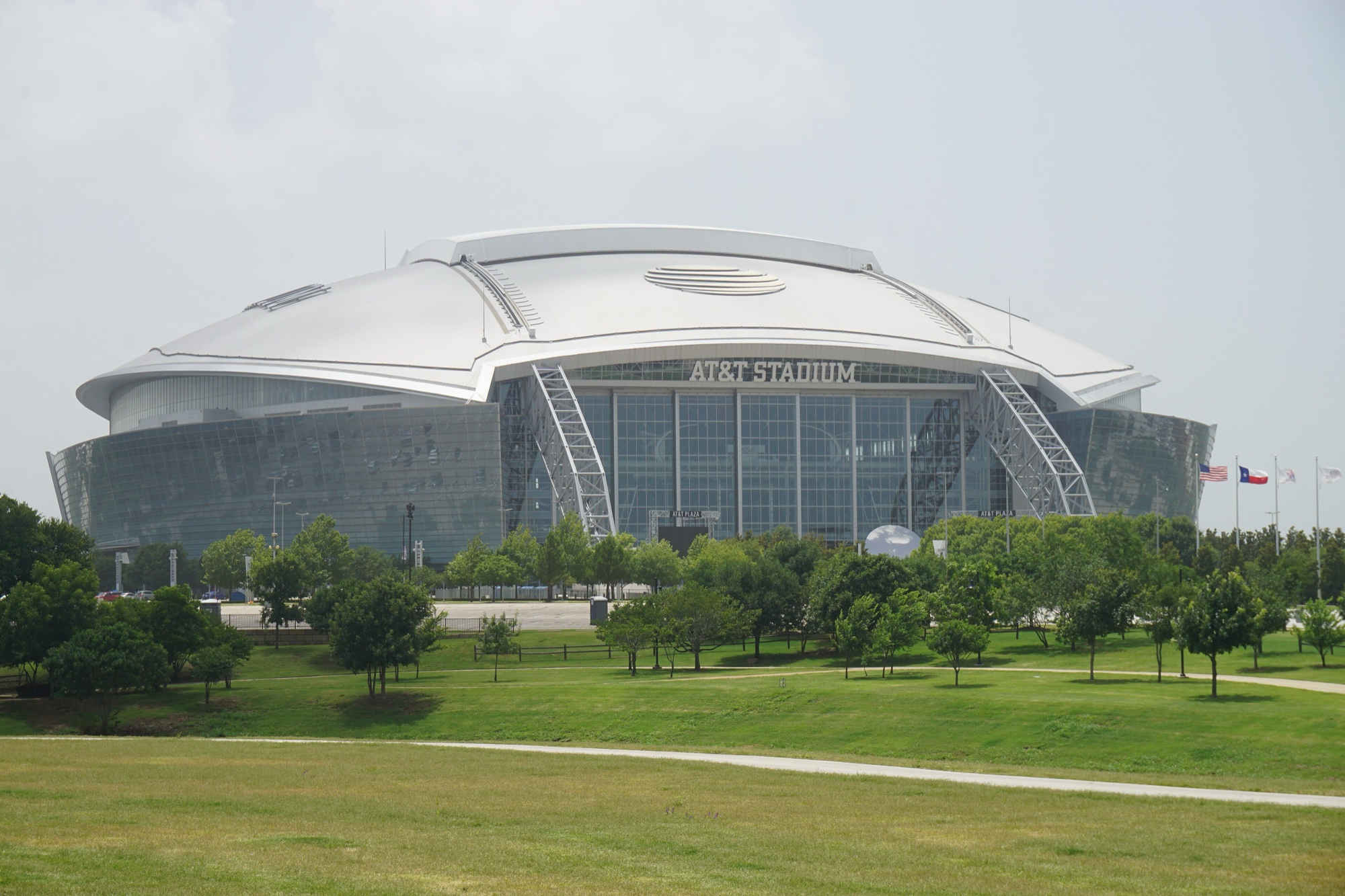 AT&T Stadium · 70,122 AT&T Stadium · 70,122 | Arlington, TX | USA | 70,122 | Semifinal |
SoFi Stadium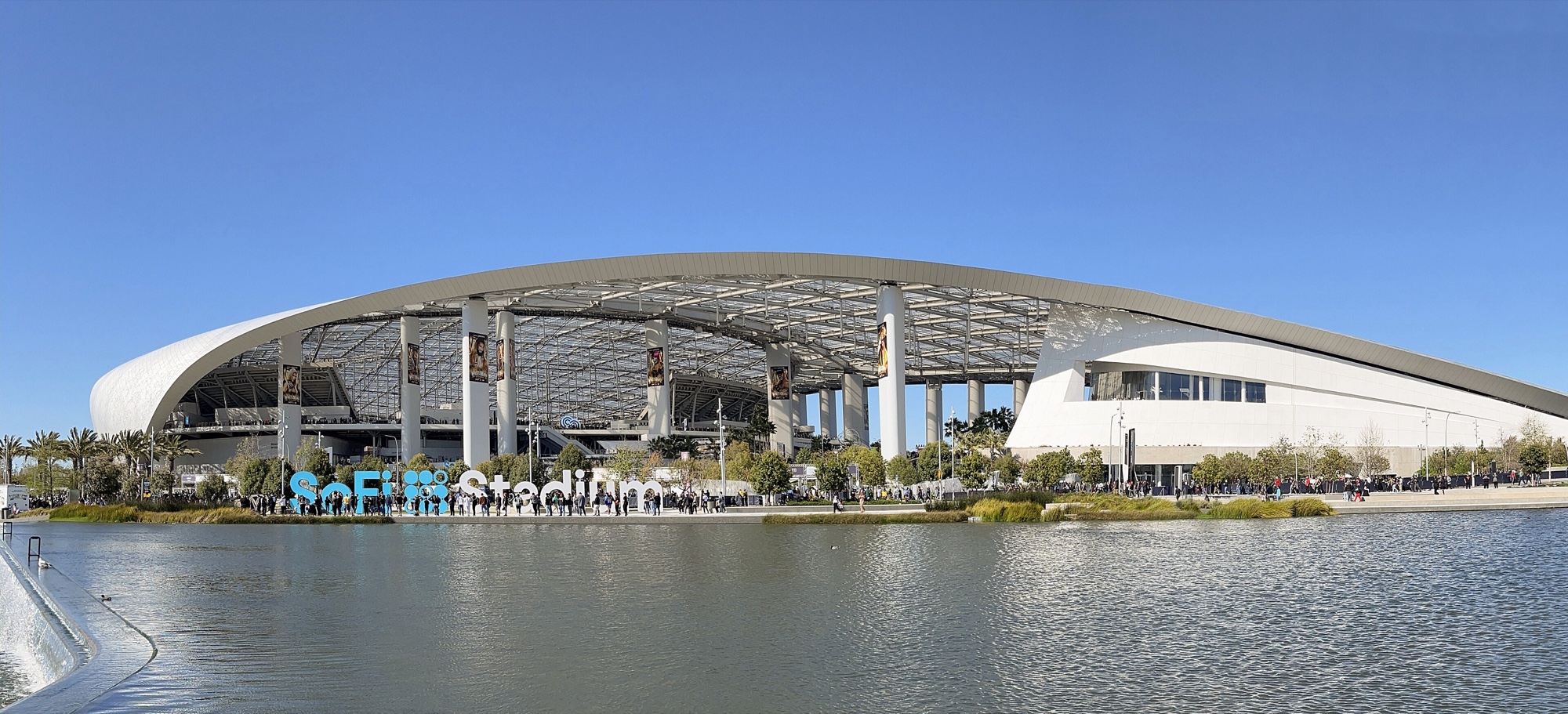 SoFi Stadium · 69,650 SoFi Stadium · 69,650 | Inglewood, CA | USA | 69,650 | Quarterfinals |
Levi's Stadium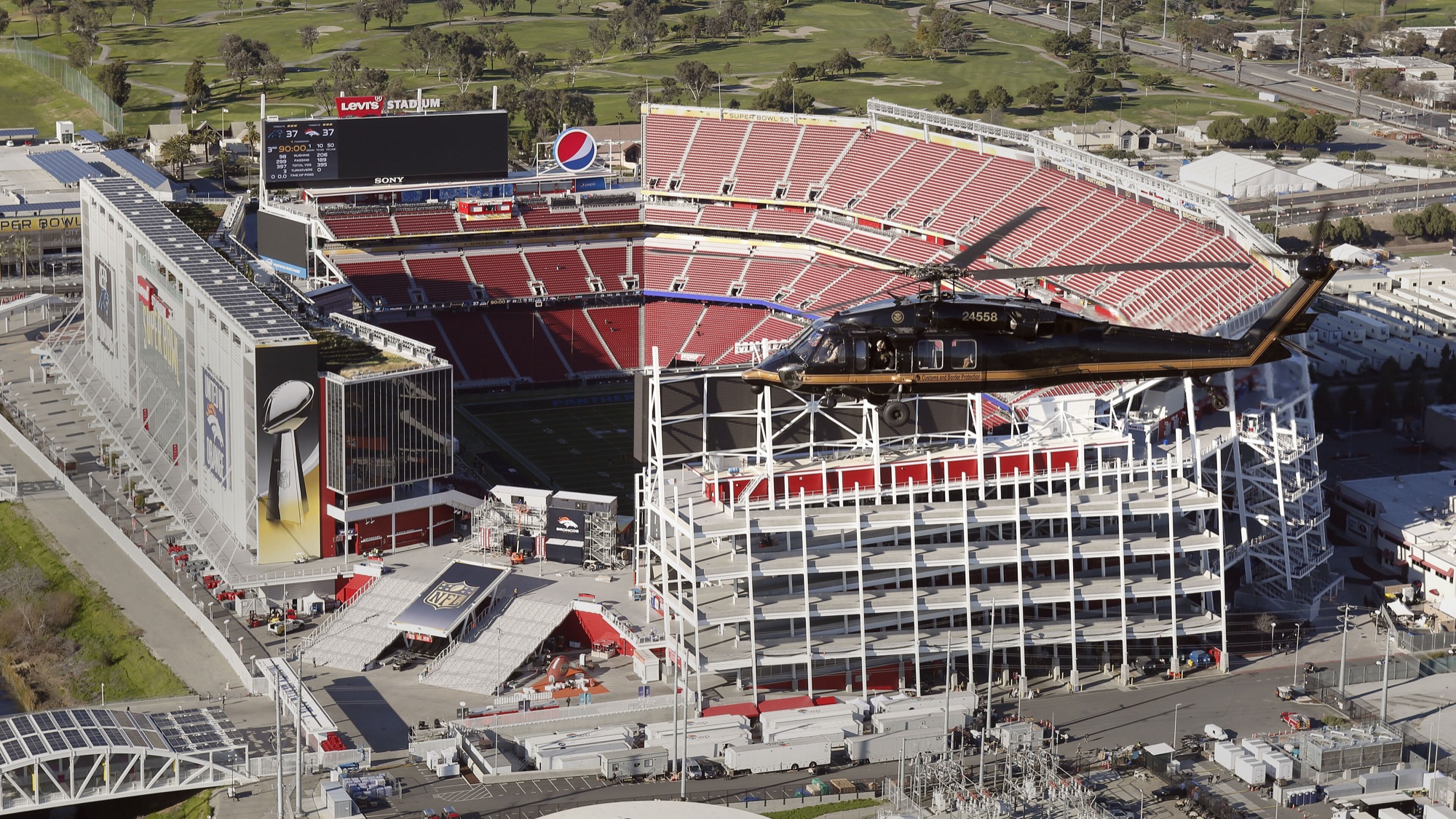 Levi's Stadium · 69,391 Levi's Stadium · 69,391 | Santa Clara, CA | USA | 69,391 | Groups, Round of 32 |
NRG Stadium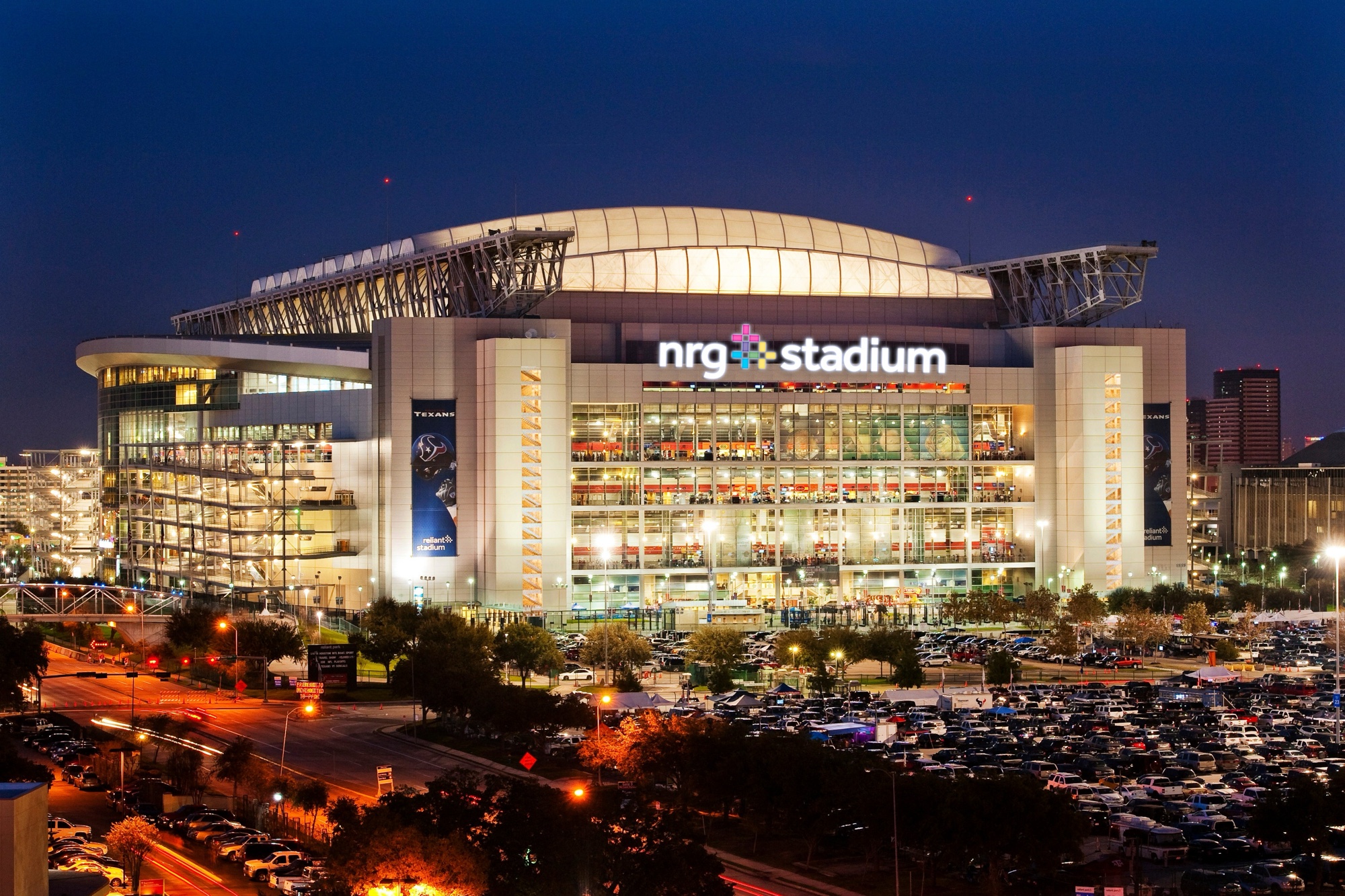 NRG Stadium · 68,311 NRG Stadium · 68,311 | Houston, TX | USA | 68,311 | Round of 32, Round of 16 |
GEHA Field (Arrowhead)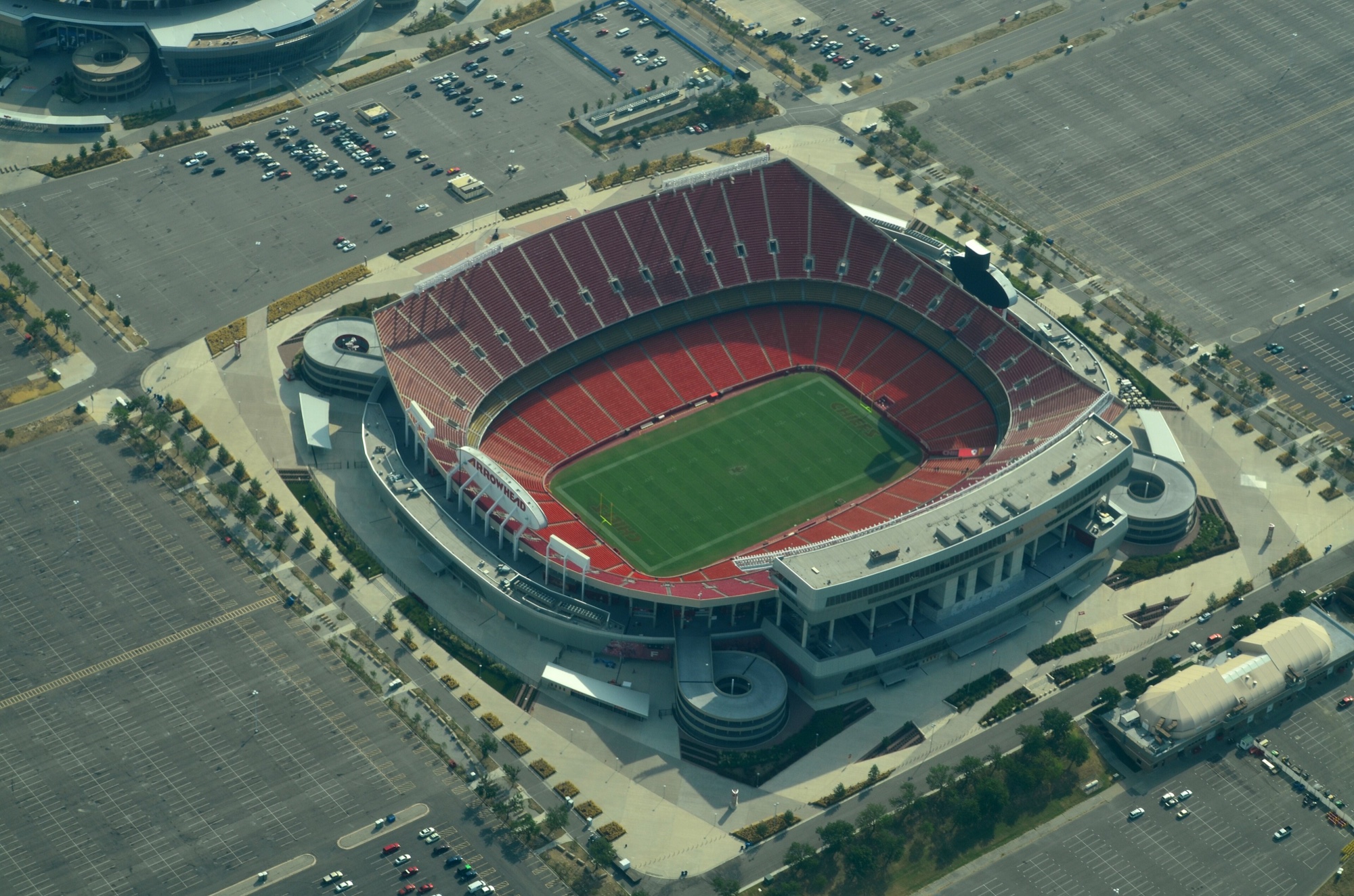 Arrowhead Stadium · 67,513 Arrowhead Stadium · 67,513 | Kansas City, MO | USA | 67,513 | Quarterfinals |
Mercedes-Benz Stadium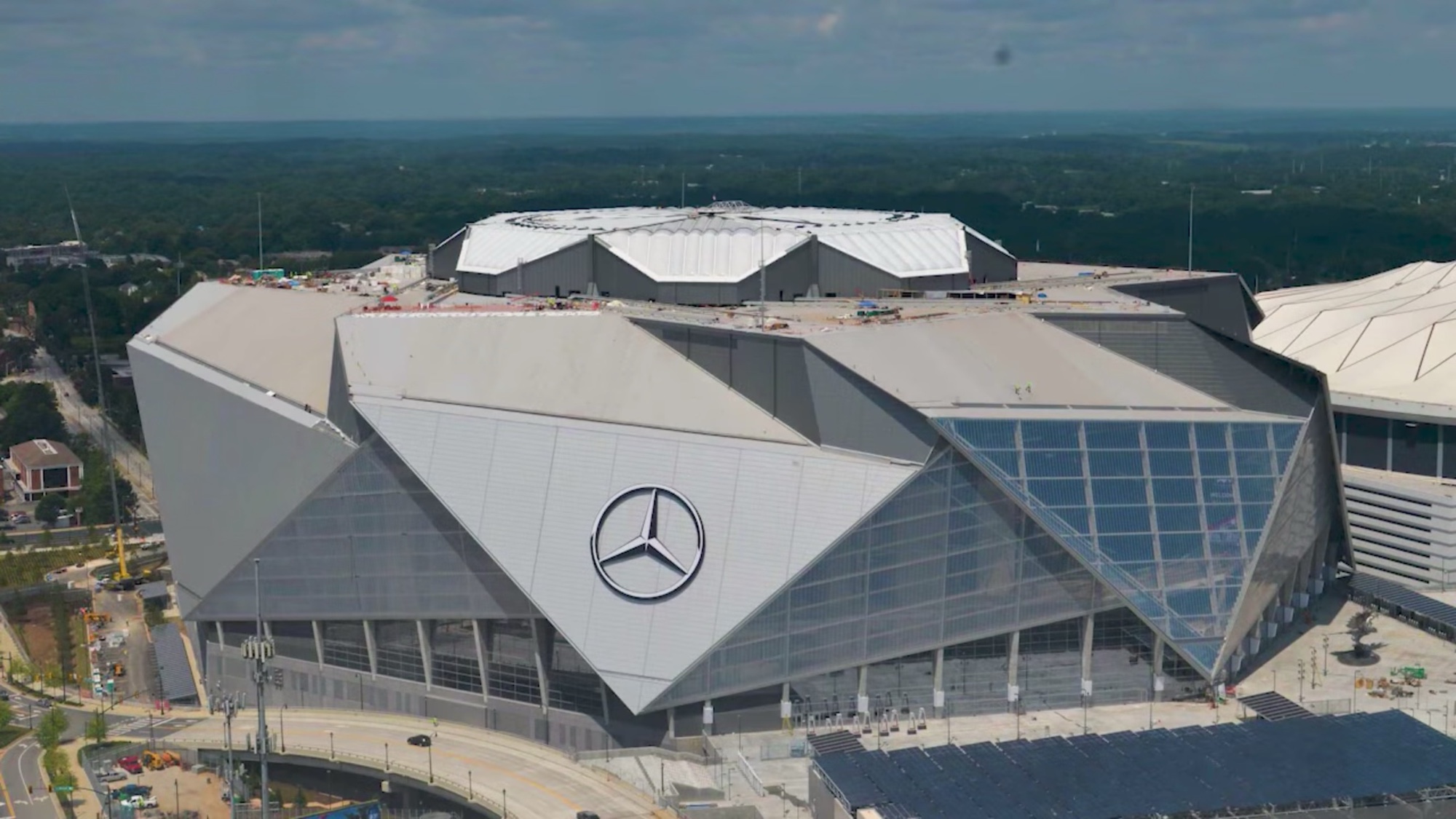 Mercedes-Benz · 67,382 Mercedes-Benz · 67,382 | Atlanta, GA | USA | 67,382 | Semifinal |
Lincoln Financial Field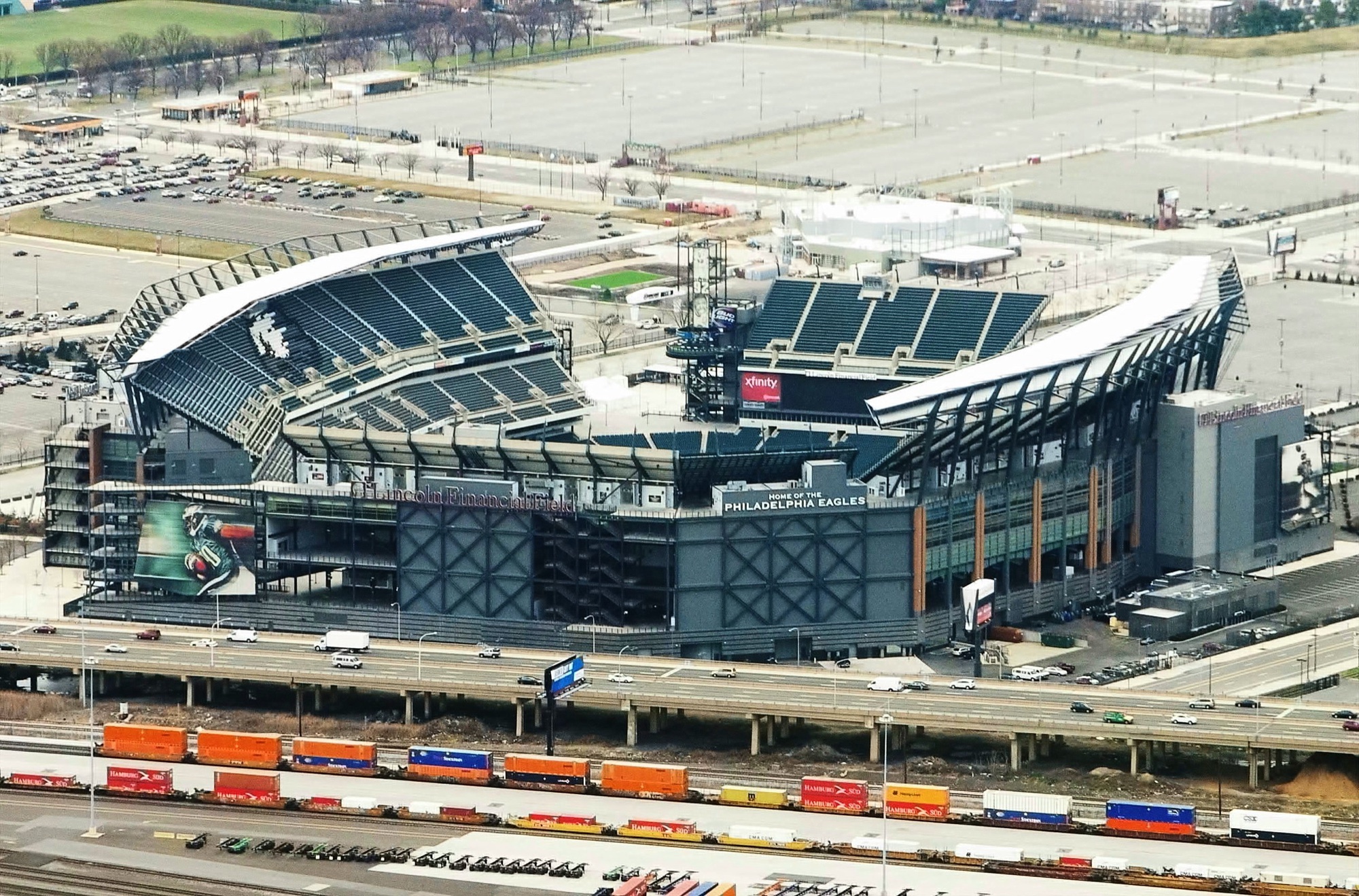 Lincoln Financial · 65,827 Lincoln Financial · 65,827 | Philadelphia, PA | USA | 65,827 | Groups, Round of 32 |
Lumen Field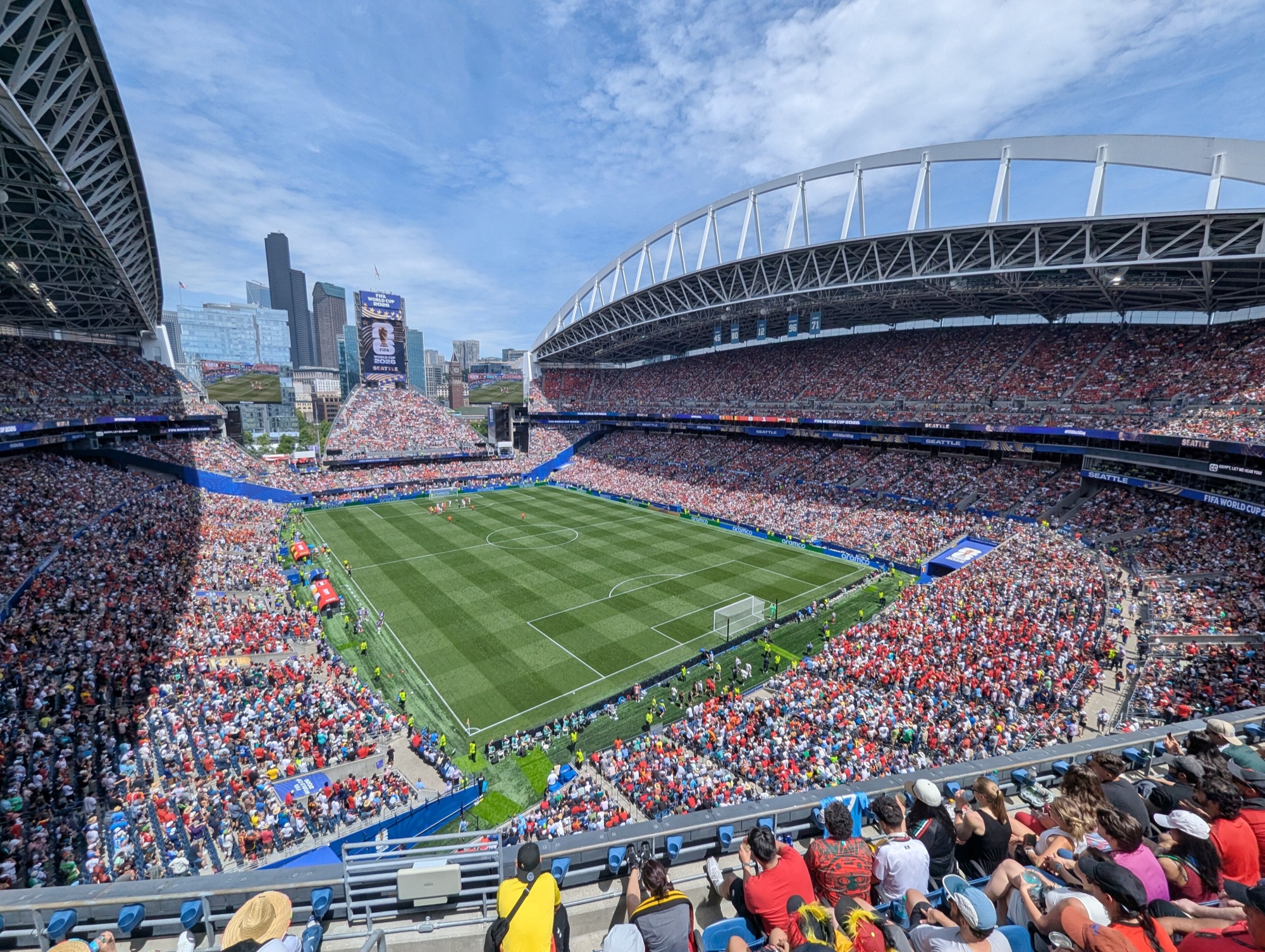 Lumen Field · 65,123 Lumen Field · 65,123 | Seattle, WA | USA | 65,123 | Groups, Round of 16 |
Hard Rock Stadium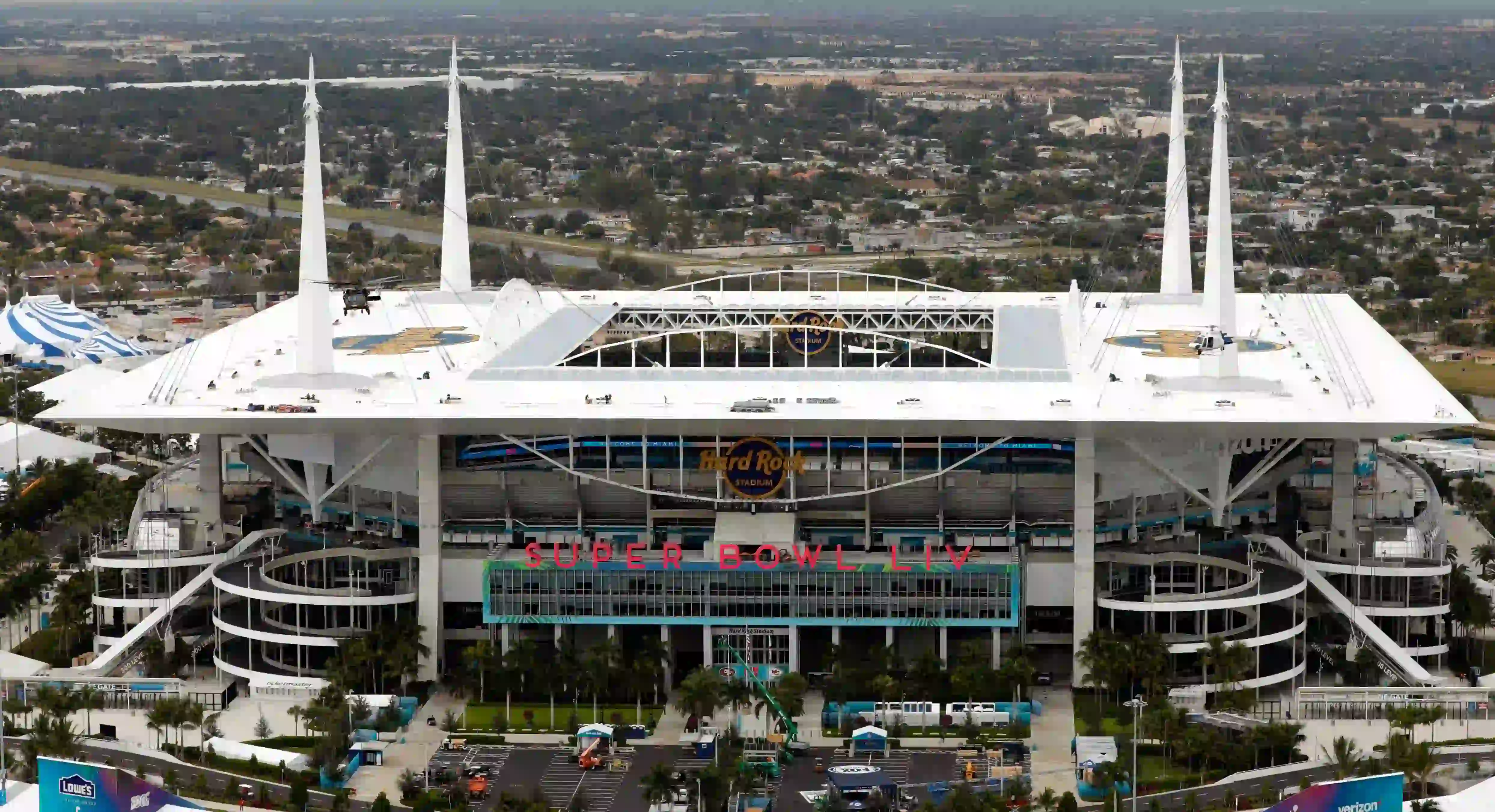 Hard Rock · 64,091 Hard Rock · 64,091 | Miami, FL | USA | 64,091 | Quarterfinals, Third place |
Gillette Stadium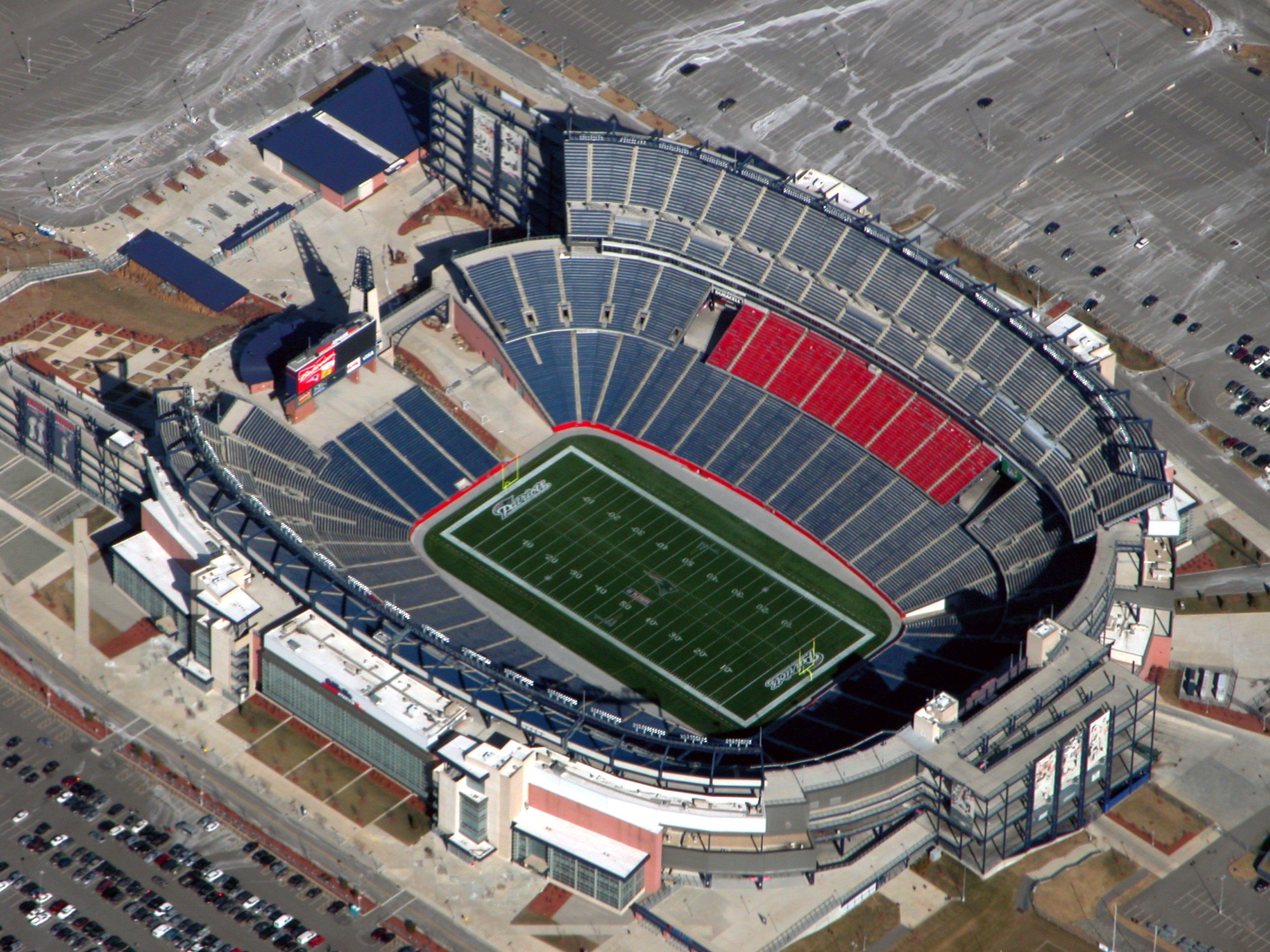 Gillette Stadium · 63,815 Gillette Stadium · 63,815 | Foxborough, MA | USA | 63,815 | Quarterfinals |
Estadio BBVA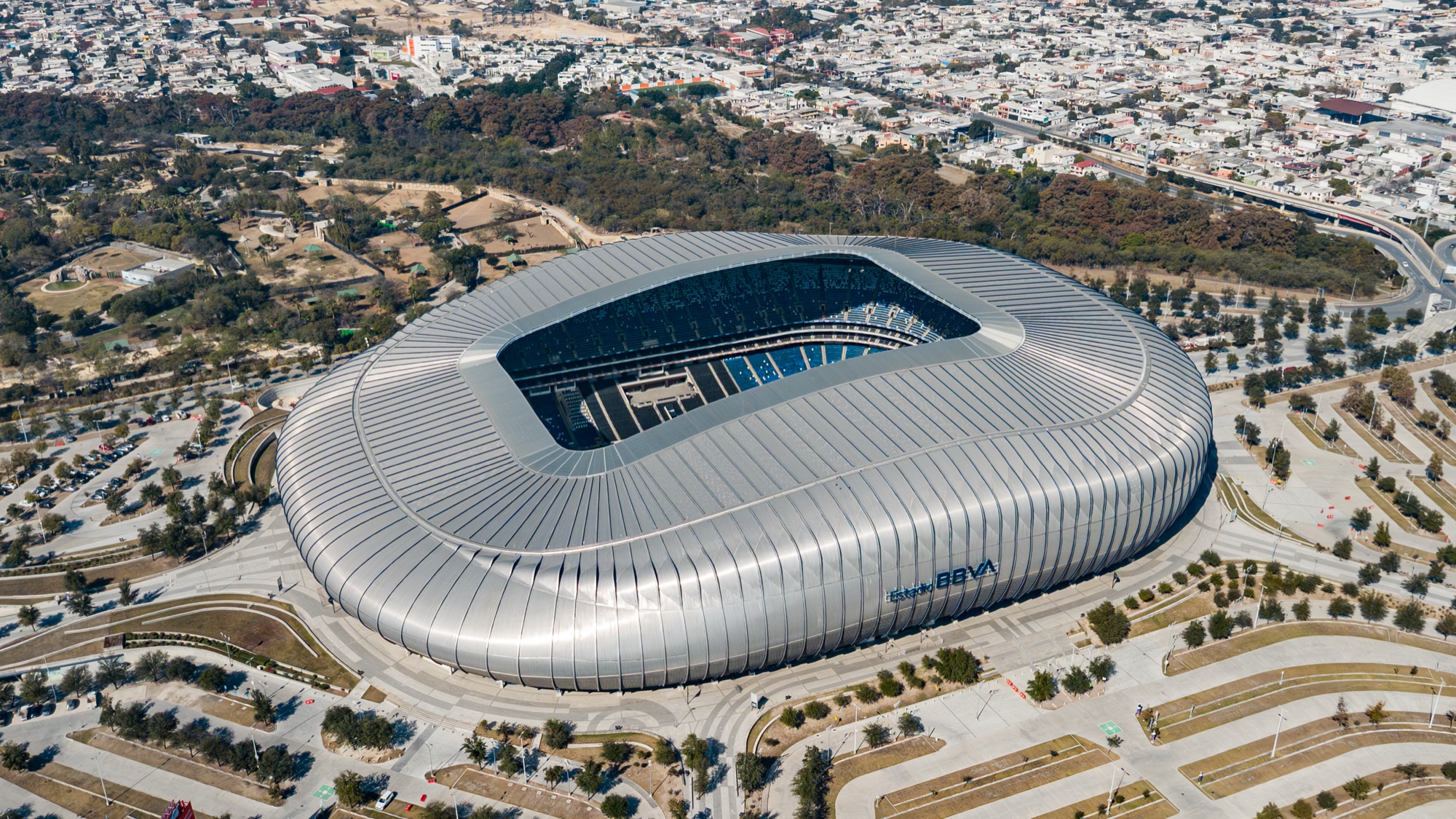 Estadio BBVA · 50,113 Estadio BBVA · 50,113 | Monterrey | Mexico | 50,113 | Groups, Round of 32 |
BC Place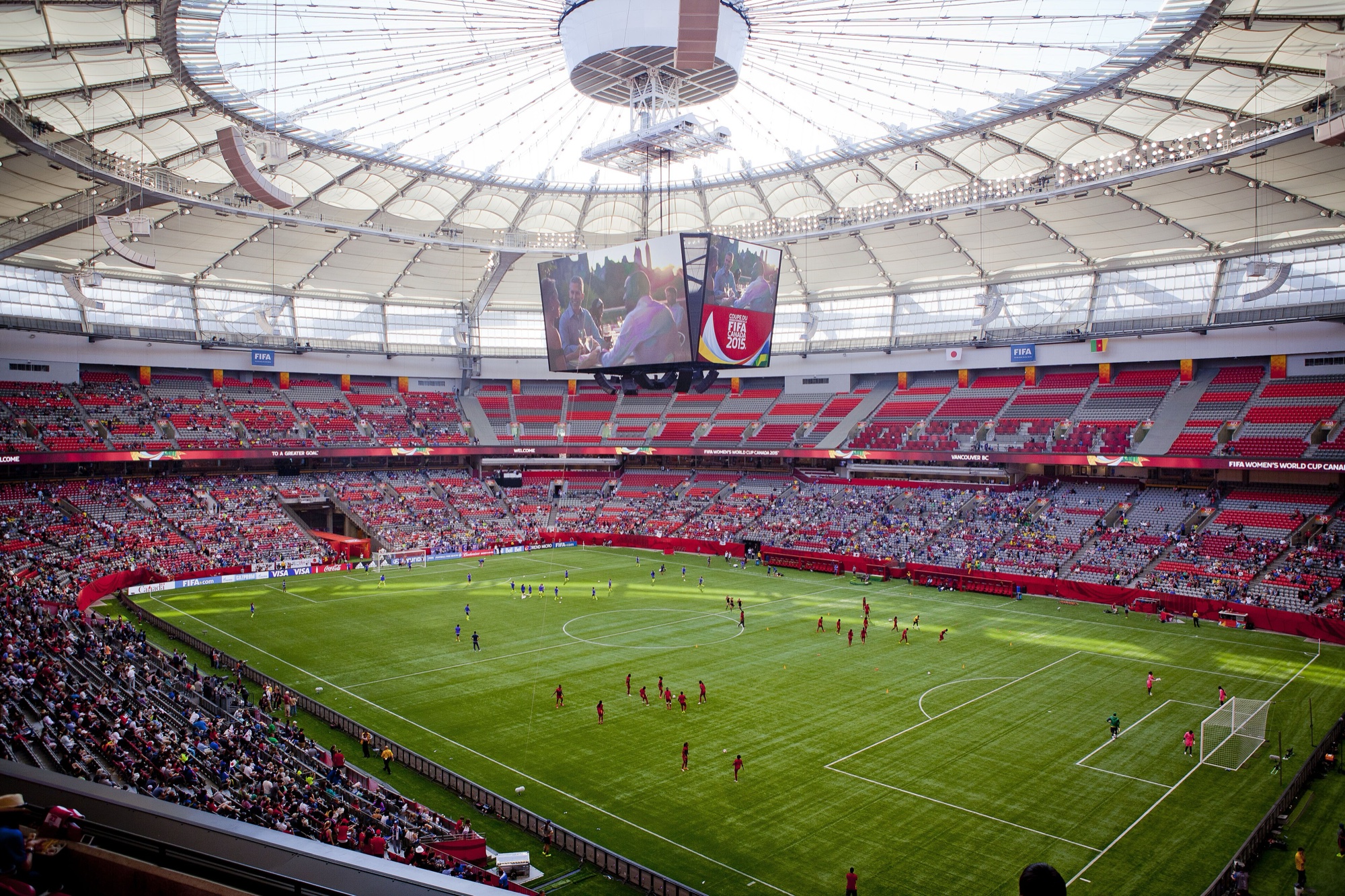 BC Place · 48,821 BC Place · 48,821 | Vancouver, BC | Canada | 48,821 | Groups, Round of 16 |
BMO Field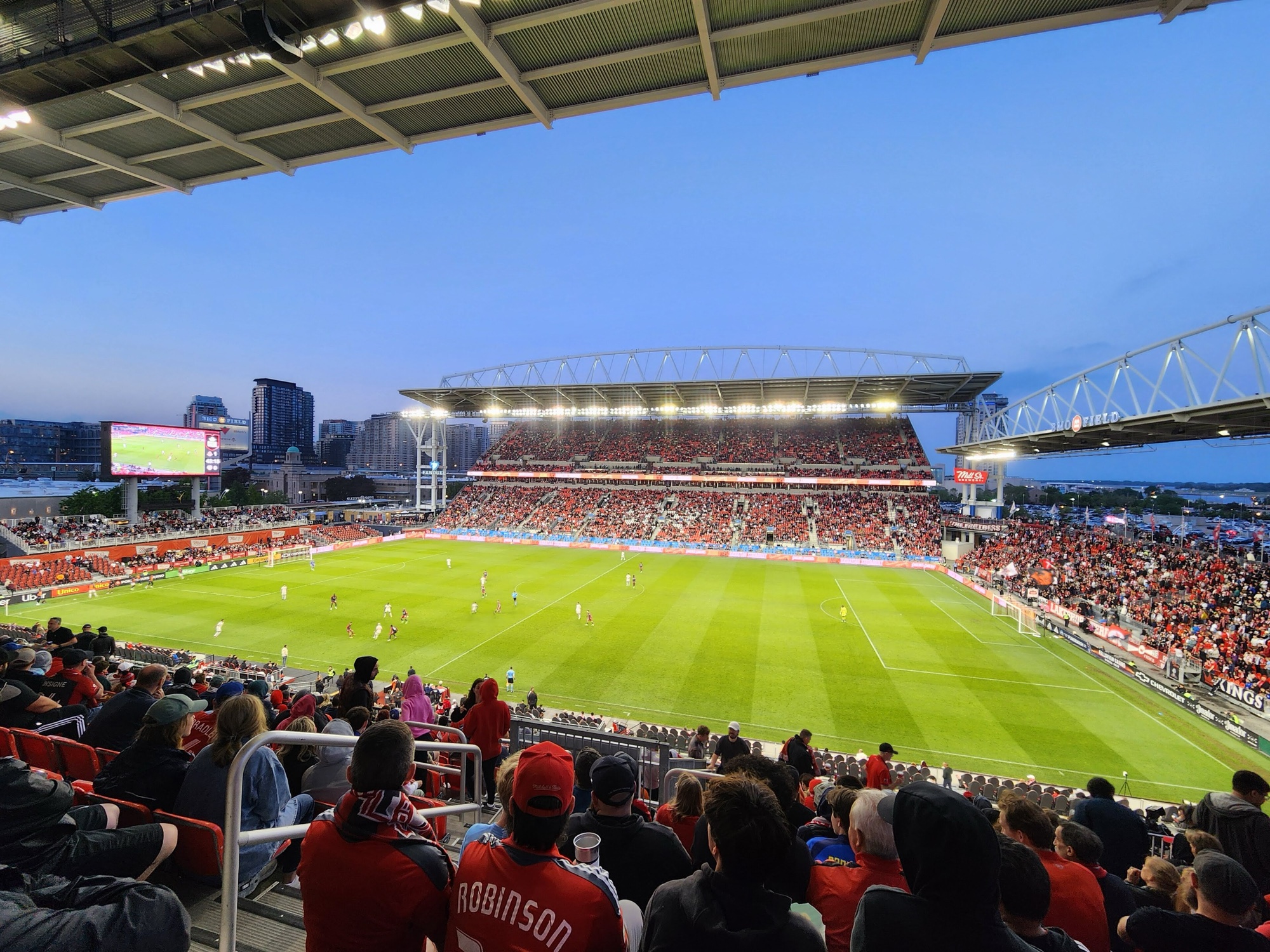 BMO Field · 44,315 BMO Field · 44,315 | Toronto, ON | Canada | 44,315 | Groups, Round of 32 |
Estadio Akron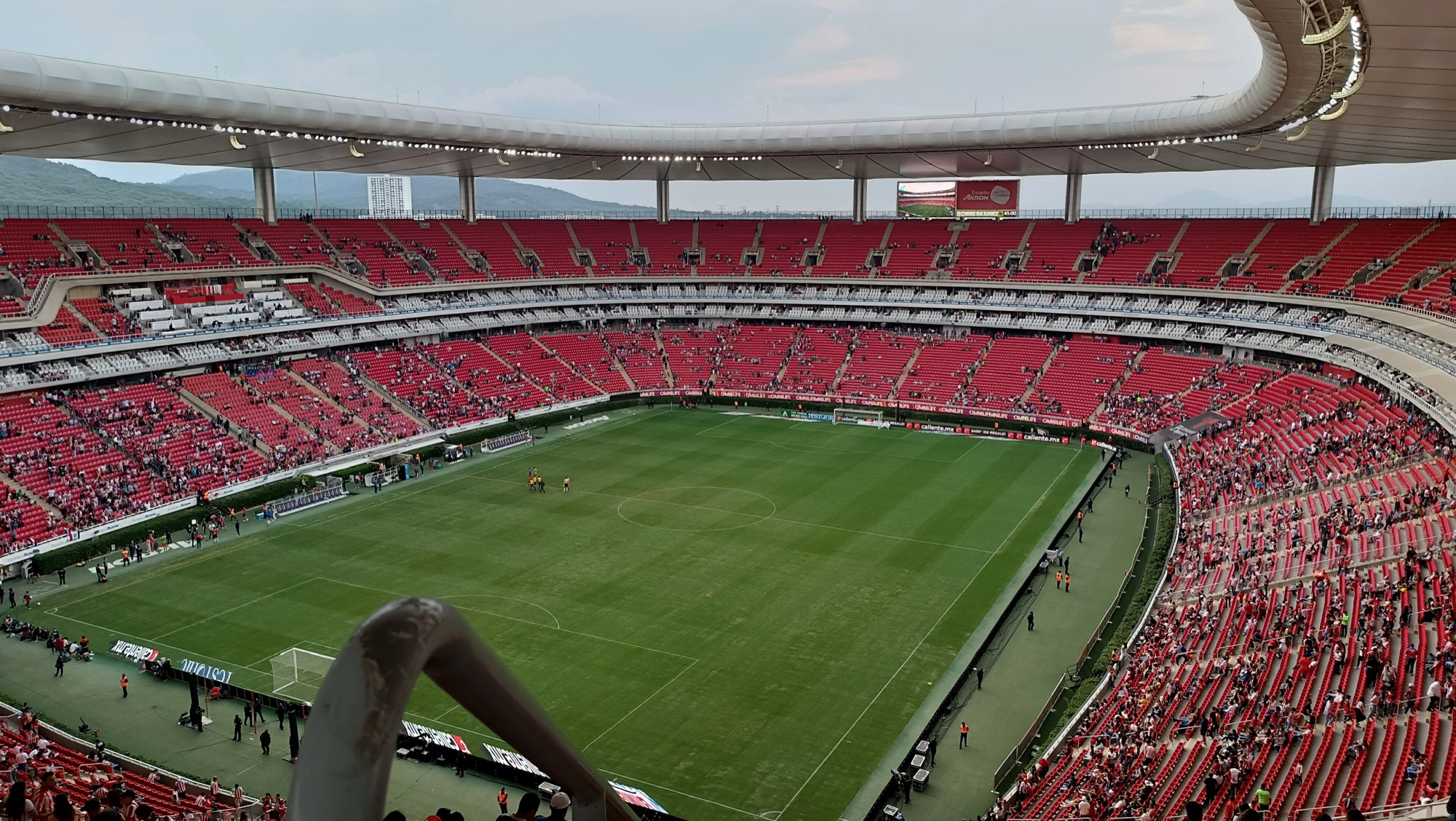 Estadio Akron · 44,330 Estadio Akron · 44,330 | Guadalajara | Mexico | 44,330 | Group stage |
World Cup 2026 venues in the United States
The United States hosts 11 of the 16 venues and stages the tournament's biggest matches, including the final, both semifinals and most of the quarterfinals. The chosen stadiums are spread across the country, from the East Coast (New York, Boston, Miami, Atlanta, Philadelphia) to the West Coast (Los Angeles, San Francisco, Seattle), with the center of the country in between (Houston, Kansas City, Dallas). This geographic spread aims to bring the tournament closer to the country's 330+ million residents and ease access for the millions of international fans traveling for the World Cup experience.
MetLife Stadium: the final venue
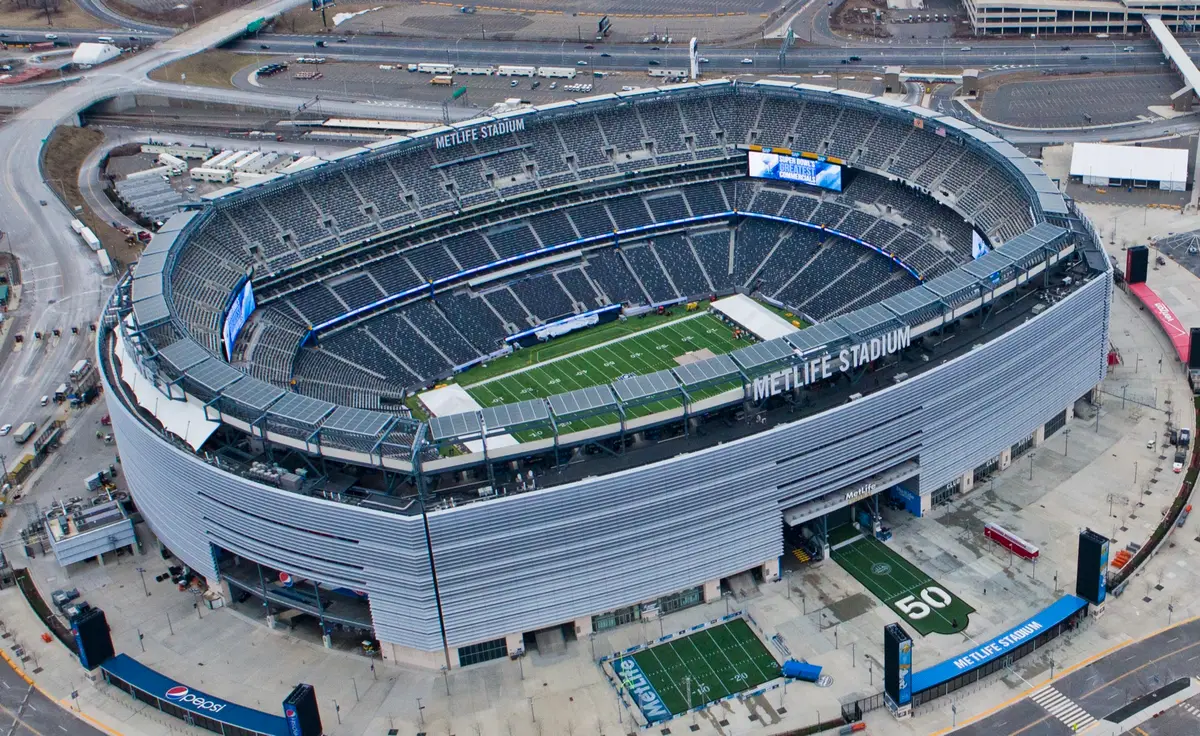
MetLife Stadium in East Rutherford, New Jersey, is the largest stadium of the tournament with 78,576 capacity. Just a few kilometers from Manhattan, it hosts the 2026 World Cup final on July 19. It also stages group-stage matches, including Brazil vs. Morocco and France vs. Senegal. For fans, New York offers the best air connectivity in North America, with three international airports (JFK, Newark and LaGuardia). The stadium is accessible by train from Manhattan's Penn Station, easing mass transit on match days. The New York metropolitan area has more than 100,000 hotel rooms, the largest accommodation supply of all the venues.
AT&T Stadium and Mercedes-Benz Stadium: the semifinals
The semifinals are split between Texas and Georgia. AT&T Stadium in Arlington (70,122 capacity) hosts the first semifinal on July 14. It is home to the NFL's Dallas Cowboys and features the iconic largest videoboard in the world. Mercedes-Benz Stadium in Atlanta (67,382) hosts the second semifinal on July 15. Its retractable petal-shaped roof makes it one of the most modern venues on the planet.
The quarterfinals
Four stadiums host the quarterfinals of the 2026 World Cup bracket: SoFi Stadium in Los Angeles (69,650), Gillette Stadium in Boston (63,815), Hard Rock Stadium in Miami (64,091) and GEHA Field at Arrowhead Stadium in Kansas City (67,513). Miami also hosts the third-place match on July 18. The geographic spread ensures fans from different regions can reach knockout games without huge travel. Kansas City hosted Argentina's debut (3-0 over Algeria), while Miami stages key games such as Colombia vs. Portugal in Group K.
Group-stage and early-round stadiums
NRG Stadium in Houston (68,311) hosts Round of 32 and Round of 16 games. Levi's Stadium in Santa Clara (69,391), near San Francisco, hosts group and Round of 32 matches. Lincoln Financial Field in Philadelphia (65,827) and Lumen Field in Seattle (65,123) complete the US venues with group-stage games and early knockout rounds. For dates, see the full 2026 World Cup schedule.
World Cup 2026 venues in Mexico
Mexico has three venues that reflect the country's footballing tradition. It is the third time Mexico hosts a World Cup (1970, 1986 and 2026), making it the country that has organized the World Cup the most times.
Estadio Azteca: the opening match and the history
Estadio Azteca in Mexico City (72,766 capacity) is the only venue in history to have hosted two World Cup finals (1970 and 1986). In 2026, it had the honor of hosting the opening match on June 11, where Mexico beat South Africa 2-0. It also hosts Round of 32 and Round of 16 games. The Azteca sits 2,200 meters above sea level, a factor that has historically favored teams acclimatized to altitude. The stadium was renovated for this tournament with upgrades to lighting, access, VIP areas and the pitch. With room for more than 72,000 spectators, it is the second-largest stadium of the tournament after MetLife and a temple of world football that has witnessed goals from Pelé, Maradona and now the new generations.
Estadio BBVA: Monterrey on the world map
Estadio BBVA in Monterrey (50,113 capacity) is one of the architectural gems of Mexican football. Opened in 2015, its modern design with a steel facade has made it a benchmark. It hosts group-stage and Round of 32 games. Monterrey, Mexico's industrial capital, offers excellent hotel infrastructure, an international airport with direct connections to the United States and a metropolitan transit system. The city is also known for its northern cuisine (cabrito, carne asada) and nightlife, making it an attractive destination for international visitors.
Estadio Akron: Guadalajara as a venue
Estadio Akron in Guadalajara (44,330 capacity), home of Chivas, hosts group-stage games. It is the smallest stadium of the tournament, but its atmosphere is unmatched. Guadalajara, Mexico's second-largest city, is the birthplace of mariachi and tequila, making it an attractive destination for fans wanting to combine football and culture. The Akron has already staged memorable matches in this tournament, including Mexico 1-0 South Korea with a Luis Romo goal and South Korea's debut against Czechia on matchday one.
World Cup 2026 venues in Canada
Canada hosts a men's World Cup for the first time, with two venues strategically located on opposite coasts. The Canadian team, which qualified for its second straight World Cup after Qatar 2022, plays home games in both cities, giving it a significant home advantage and fan support.
BC Place: Vancouver on the west coast
BC Place in Vancouver (48,821 capacity) is a retractable-roof stadium hosting group-stage and Round of 16 games. Vancouver is one of the most cosmopolitan cities in North America, with easy access from Asia and the Pacific. Its mild summer climate and proximity to the Rocky Mountains and the Pacific Ocean make it a popular destination for international fans. The stadium's retractable roof protects players and spectators from the weather, ensuring matches in optimal conditions regardless of the conditions outside.
BMO Field: Toronto on the east coast
BMO Field in Toronto (44,315 capacity) hosts group-stage and Round of 32 games. It is the smallest stadium of the tournament alongside Guadalajara's Akron, but its location in central Toronto, by Lake Ontario, offers a spectacular setting. Toronto is Canada's largest city and a multicultural hub with excellent air connections from Europe and the Americas. The stadium was renovated to meet FIFA standards, expanding its capacity and improving facilities for players and media.
Match distribution by stage
The 48-team format means 104 matches in total, across five stages over 39 days. Here is the venue distribution by round:
| Stage | Matches | Dates | Venues |
|---|---|---|---|
| Group stage | 72 | Jun 11-27 | All 16 venues |
| Round of 32 | 16 | Jun 28 - Jul 3 | 8 venues (USA/MX/CA) |
| Round of 16 | 8 | Jul 4-7 | 8 venues |
| Quarterfinals | 4 | Jul 9-11 | 4 venues (USA) |
| Semifinals | 2 | Jul 14-15 | Arlington and Atlanta |
| Third place | 1 | Jul 18 | Miami |
| Final | 1 | Jul 19 | MetLife, New Jersey |
Key facts about the World Cup 2026 venues
The tournament's numbers
- 16 stadiums in 3 countries and 16 cities.
- 104 matches in 39 days (June 11 to July 19).
- Total capacity: more than 1 million combined seats.
- Largest stadium: MetLife Stadium (78,576) in New Jersey.
- Smallest stadium: Estadio Akron (44,330) in Guadalajara.
- First World Cup across three countries simultaneously.
- Third World Cup in Mexico: the country with the most World Cup hostings.
Time zones
The venues span four North American time zones: the East Coast (ET), Central (CT), Mountain (MT) and the West Coast (PT). That means matches can start from 12:00 PM ET (9:00 AM PT) to 10:00 PM ET (7:00 PM PT), allowing extended TV coverage for audiences in Europe, Asia and Latin America. This time advantage has been a key factor in scheduling: the most attractive games are placed in prime-time windows for the world's biggest audiences, maximizing the tournament's global reach. For exact kickoff times, check today's matches or the full schedule.
Venues that have already made history in the tournament
After the first two group-stage matchdays, several venues have already produced memorable moments. Estadio Azteca hosted the opening match with Mexico's 2-0 win over South Africa in front of more than 70,000 fans. Arrowhead Stadium in Kansas City saw Messi's hat-trick against Algeria (3-0). MetLife Stadium buzzed with the 1-1 draw between Brazil and Morocco and France's 3-1 win over Senegal. And AT&T Stadium in Arlington staged England's 4-2 over Croatia with a Kane brace. Each venue has proven worthy of the biggest event in world football.
How the venues were chosen
In June 2022, FIFA announced the 16 host cities after a selection process that began with 23 candidates across the three countries. Criteria included stadium capacity (minimum 40,000), transport infrastructure, hotel supply, prior experience with major sporting events and the cities' commitment to upgrades and accessibility. Cities such as Denver, Nashville, Baltimore and Edmonton missed out in the final process. The decision prioritized geographic spread and balanced representation of the three host countries to ensure the tournament was truly tri-national. Each host city signed an agreement with FIFA including commitments on security, reinforced public transport, fan zones and giant screens so fans without tickets can experience matches in public spaces. These fan zones have been a World Cup tradition since Germany 2006 and in 2026 will be present in all 16 host cities.
Which venue should you visit?
If you want the ultimate experience
MetLife Stadium (final) and Estadio Azteca (opening) are the iconic venues of the tournament. Watching a match at the Azteca means stepping on the history of world football; attending the final at MetLife is living the sport's pinnacle. Both cities (New York and Mexico City) offer unmatched cultural, culinary and entertainment options.
If you want sun and beach
Hard Rock Stadium in Miami combines football with beaches, nightlife and a vibrant Latin culture. Los Angeles (SoFi Stadium) offers perfect July weather, Pacific beaches and Hollywood. Both cities are ideal for those who want to extend the trip beyond football and enjoy a vacation alongside the World Cup experience.
If you want culture and cuisine
Mexico City (Azteca), Guadalajara (Akron) and Monterrey (BBVA) offer Mexico's cultural richness: world-class cuisine, archaeological sites, colonial architecture and the warmth of Mexican fans. Toronto and Vancouver in Canada are multicultural cities with excellent international food. The three Mexican venues also tend to offer more affordable lodging and dining than the US cities, making them attractive options for fans from Latin America.
Follow the whole tournament
- Interactive World Cup 2026 bracket: visualize each team's path.
- Full schedule: all 104 matches with kickoff times and venues.
- World Cup 2026 groups: standings, results and qualification.
- All 48 teams in the 2026 World Cup.
- How the 48-team format works.
- Today's matches: kickoff times, scores and where to watch.
Sources: FIFA.com for venues, capacities and the official schedule. Stadium information verified against each venue's official sources. Updated: June 19, 2026.
Frequently asked questions
How many venues does the 2026 World Cup have?
The 2026 World Cup has 16 venues across three countries: 11 stadiums in the United States, 3 in Mexico (Azteca, BBVA and Akron) and 2 in Canada (BC Place and BMO Field). It is the first World Cup hosted by three nations.
Where is the 2026 World Cup final played?
The 2026 World Cup final is on July 19 at MetLife Stadium in East Rutherford, New Jersey (United States). The stadium holds 78,576 spectators.
What are the 2026 World Cup venues in Mexico?
Mexico has three venues: Estadio Azteca in Mexico City (opening match and Round of 16), Estadio BBVA in Monterrey (group stage and Round of 32) and Estadio Akron in Guadalajara (group stage).
Where are the 2026 World Cup semifinals played?
The semifinals are played at AT&T Stadium in Arlington, Texas (July 14) and Mercedes-Benz Stadium in Atlanta, Georgia (July 15).
What is the biggest stadium at the 2026 World Cup?
MetLife Stadium in New Jersey is the biggest with 78,576 capacity, followed by Estadio Azteca in Mexico City with 72,766. Both host key matches.
What are the 2026 World Cup venues in Canada?
Canada has two venues: BC Place in Vancouver (group stage and Round of 16) and BMO Field in Toronto (group stage and Round of 32), on the country's west and east coasts.

Article by
Luis MoralesJournalist and founder of the blog
Luis Morales is a professional journalist who graduated from Universidad del Externado de Colombia and the founder of this World Cup 2026 blog. He has worked for over three years as a copywriter specialized in football and major sporting events. Every article combines journalistic rigor with verification against official FIFA sources to deliver clear, accurate and useful information for fans.
Journalist and content writer · Universidad del Externado de Colombia · 3+ years
See all articles by Luis Morales →Explore more of the 2026 World Cup