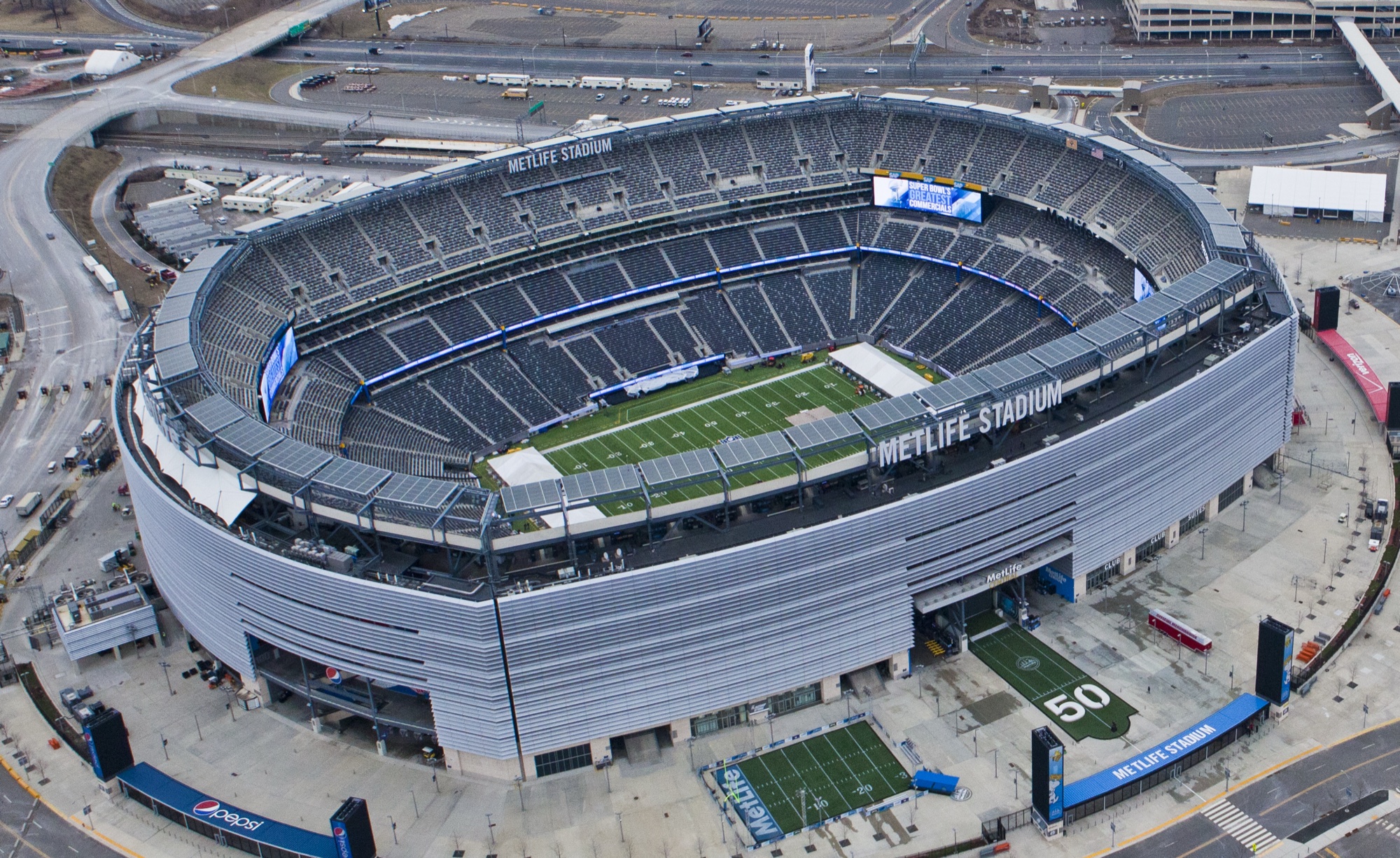
East Rutherford, New Jersey
MetLife Stadium
Capacity: 78,576
FINAL · July 19
 Spain, 2026 world champions1-0 vs Argentina · after extra timeView bracket
16 host markets · 3 countries
The FIFA World Cup 2026 is the first tournament to span three countries and five time zones. This guide covers every host city, stadium, match role and geographic context, from the opening match in Mexico City to the final in New Jersey.
The expansion from 32 to 48 teams required a hosting footprint large enough to distribute 104 matches without overloading any single metropolitan area. The joint bid from the United States, Mexico and Canada, submitted and accepted in 2018 · was designed around this scale.
The United States provides 11 of the 16 stadiums, reflecting both its infrastructure and the size of the American market. Mexico and Canada each host key matches: Mexico City's Estadio Azteca holds the opening match on June 11, and New Jersey's MetLife Stadium, the largest venue in the tournament at 78,576 seats, hosts the final on July 19.
For fans planning to attend in person, the geographic spread is significant. Seattle and Vancouver in the northwest are over 5,000 km from Miami in the southeast. International travel between US and Canadian venues requires passing through customs.
Final · July 19, 2026
MetLife Stadium
East Rutherford, New Jersey · New York metro area
Capacity: 82,500 (expanded for the final). The stadium is shared by the NFL's New York Giants and New York Jets. It previously hosted Super Bowl XLVIII (2014).
Opening Match · June 11, 2026
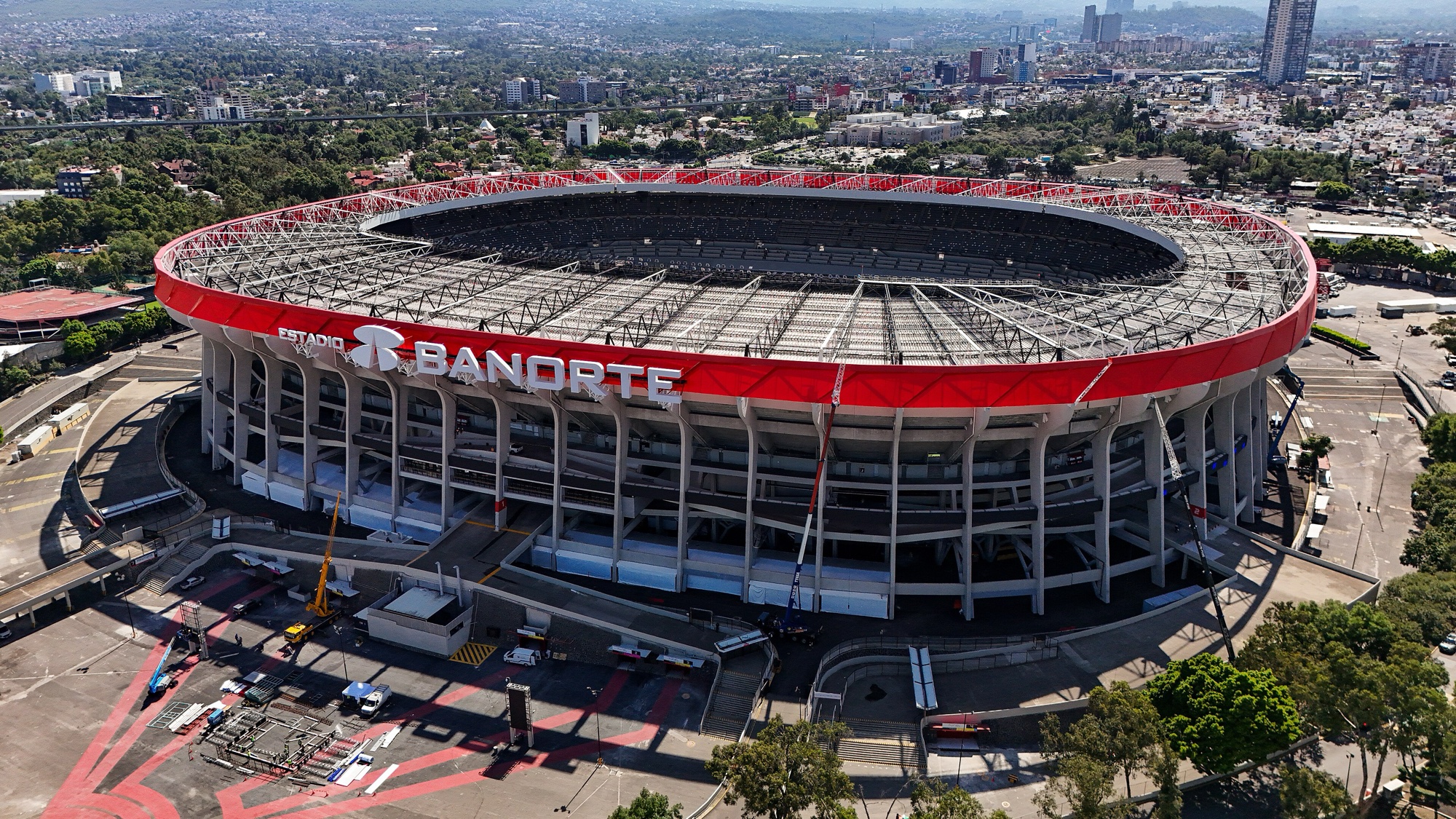
Estadio Azteca
Mexico City · Capacity: 87,523. The only stadium to have hosted two World Cup finals (1970, 1986). Mexico vs South Africa kicks off the tournament at 15:00 ET.
Spanning the Pacific Coast, Mountain Time, Central and Eastern Time zones. The US hosts the semifinal, third-place match and final, as well as the majority of group-stage matches.
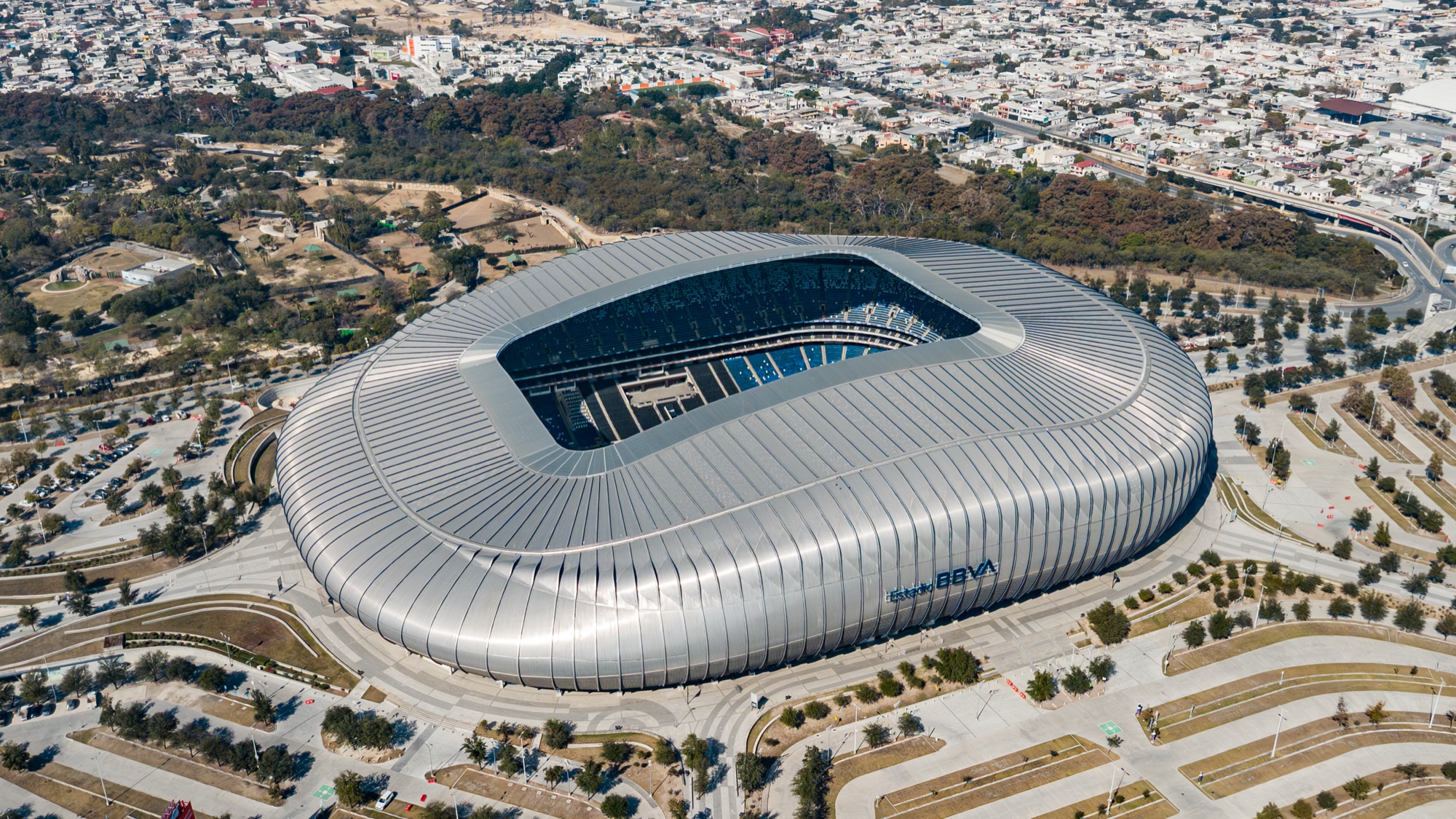
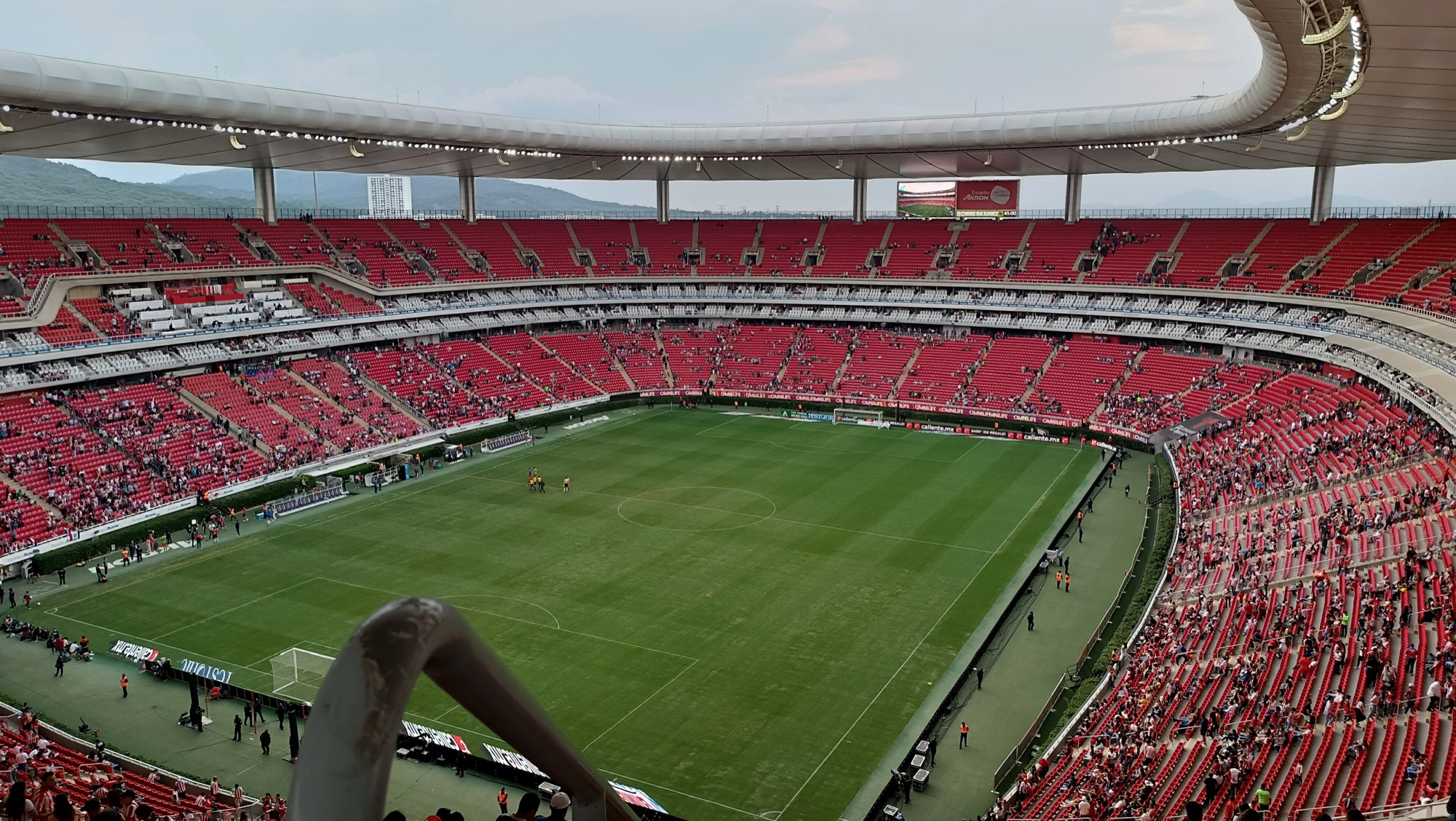
Mexico City, Monterrey and Guadalajara. Estadio Azteca hosts the opening match and Round of 32 and Round of 16 matches.
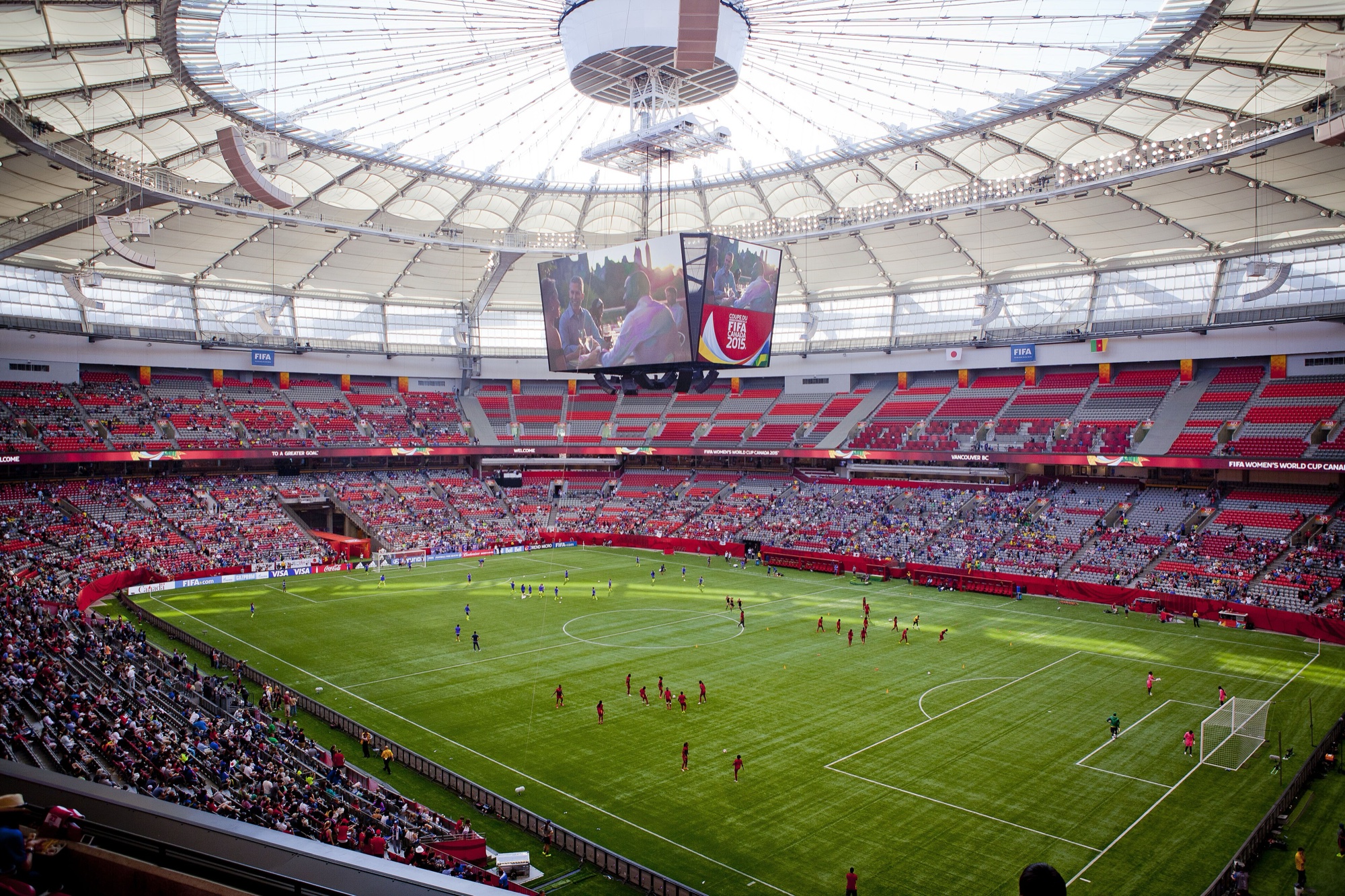
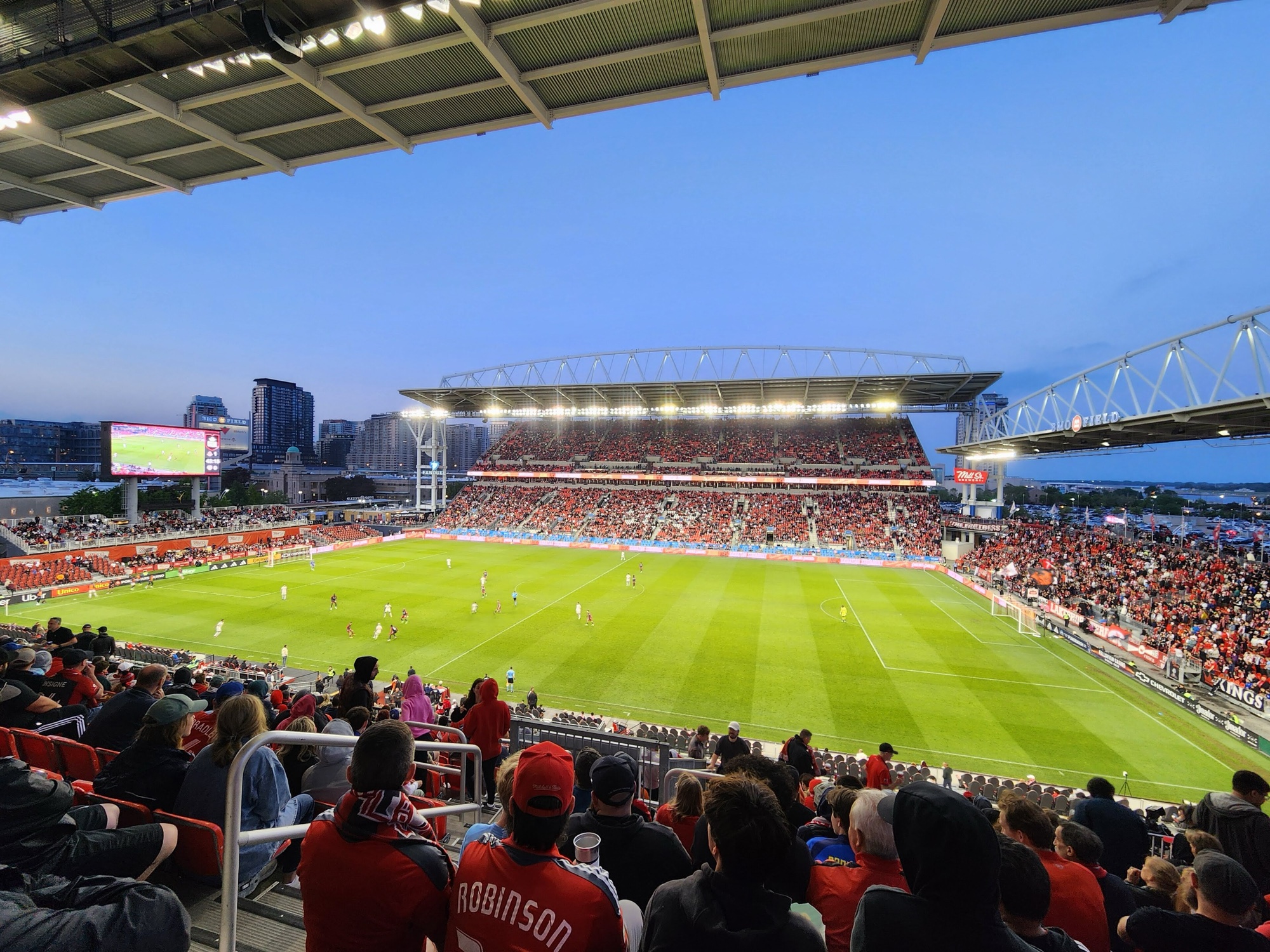
Vancouver and Toronto. Both Canadian venues host group-stage and knockout-round matches. Canada is a co-host nation and expected to compete at one of these stadiums.
The FIFA World Cup 2026 uses 16 host markets: 11 in the United States, 3 in Mexico and 2 in Canada. Each market has one stadium. The US venues stretch from Seattle on the Pacific Coast to Boston and Miami on the East and Gulf coasts.
MetLife Stadium in East Rutherford, New Jersey, part of the New York metropolitan area, hosts the final on July 19, 2026. With a capacity of 78,576, it is the largest stadium in the tournament.
Mexico City hosts the opening match on June 11, 2026, at Estadio Azteca. The opener is Mexico vs South Africa. The Azteca is historically significant, it is the only stadium to have previously hosted two World Cup finals (1970 and 1986).
The United States, Mexico and Canada are the three co-host countries. The US is hosting the most matches with 11 stadiums; Mexico has three stadiums and Canada has two.
MetLife Stadium in New Jersey hosts the most high-profile matches including the final. On match count, US stadiums collectively host the largest share since the US has 11 of the 16 venues.
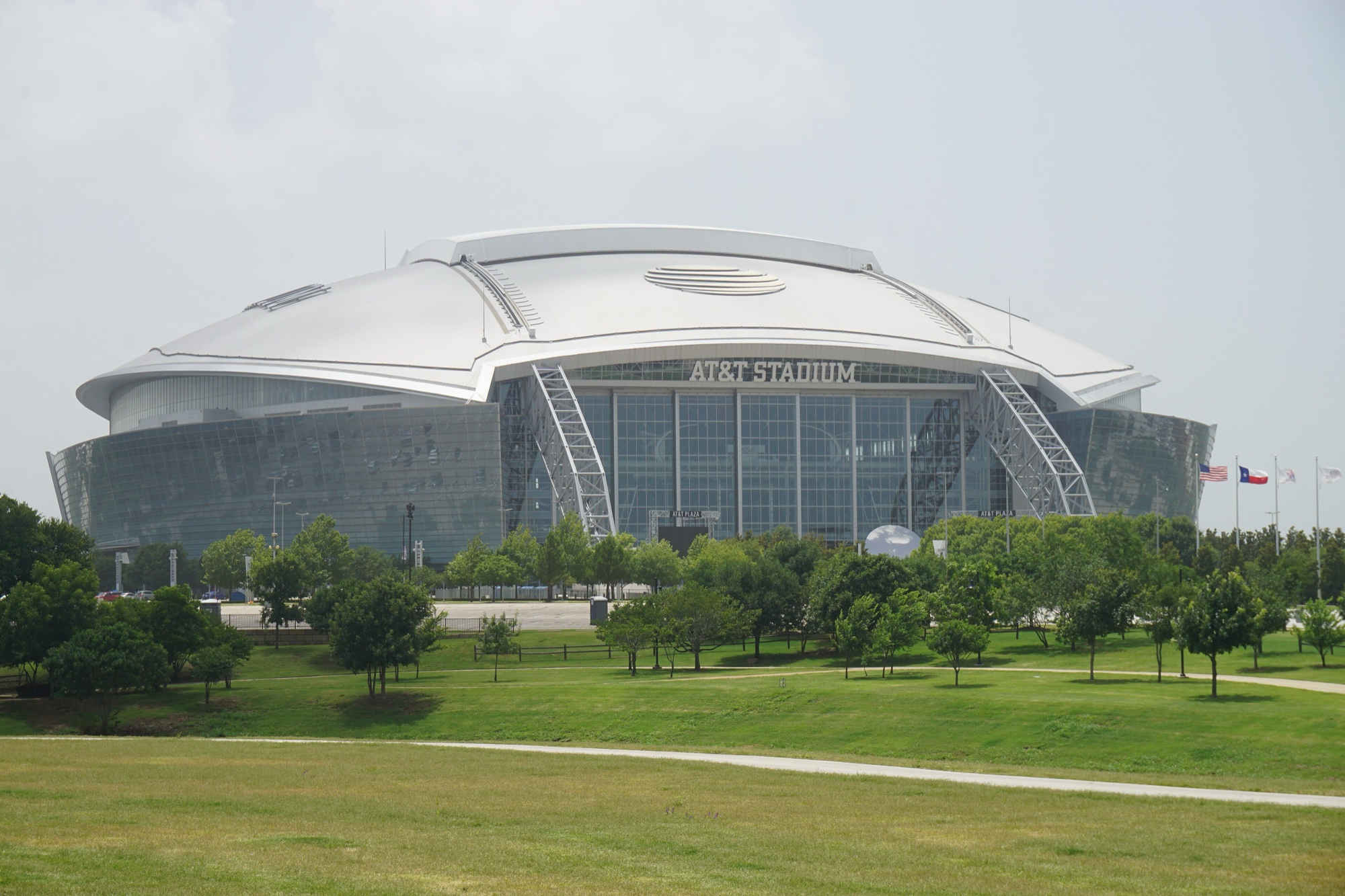
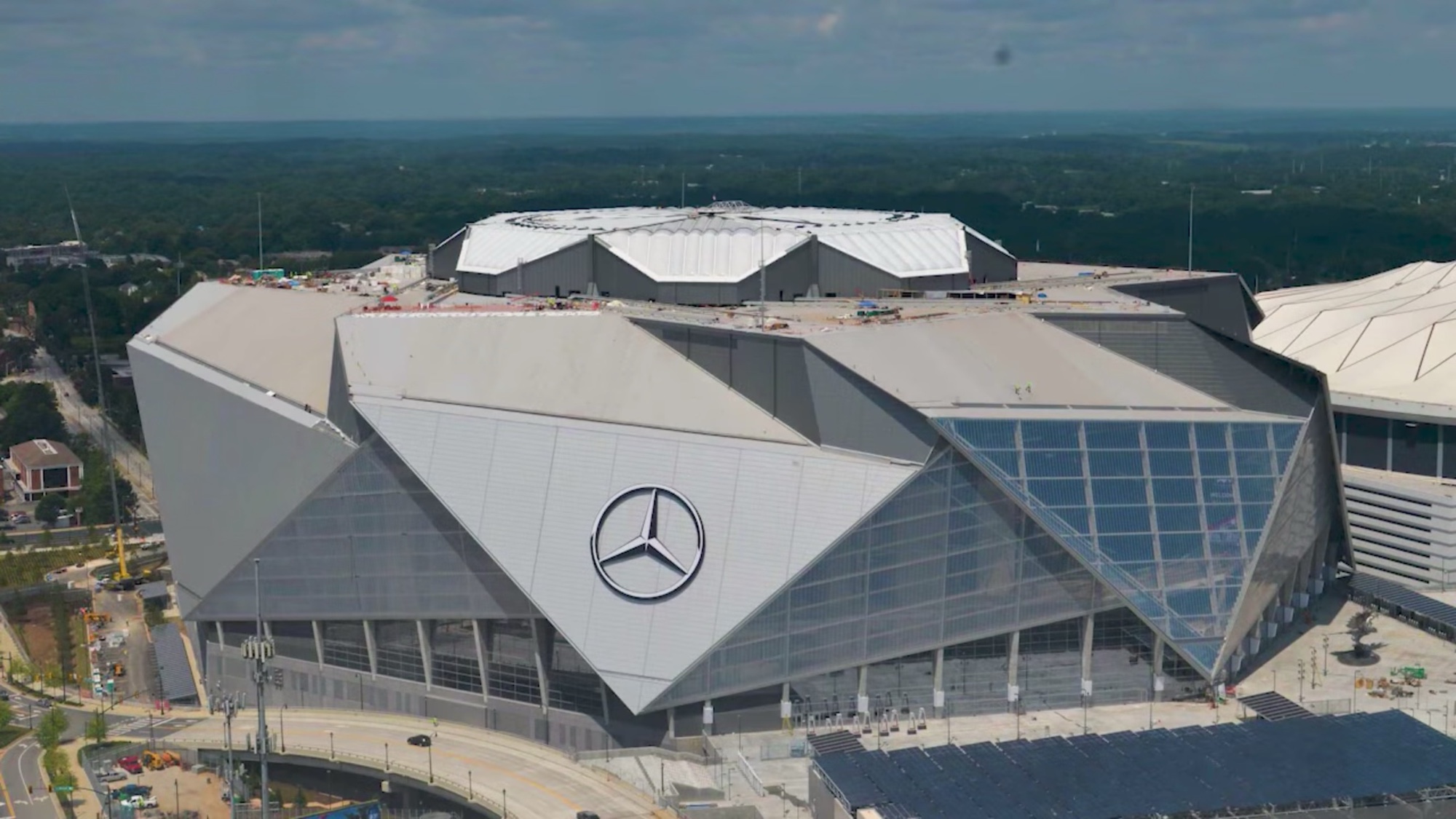
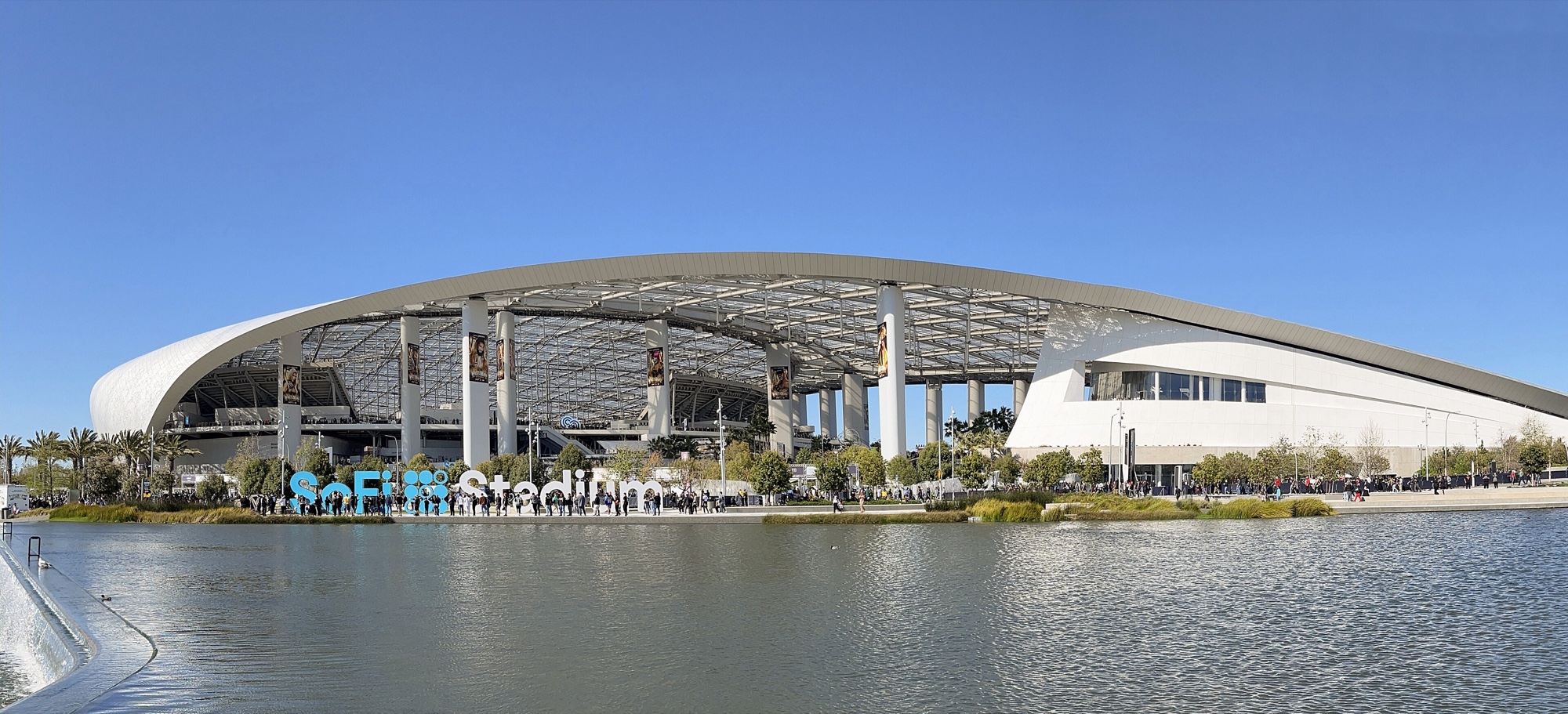
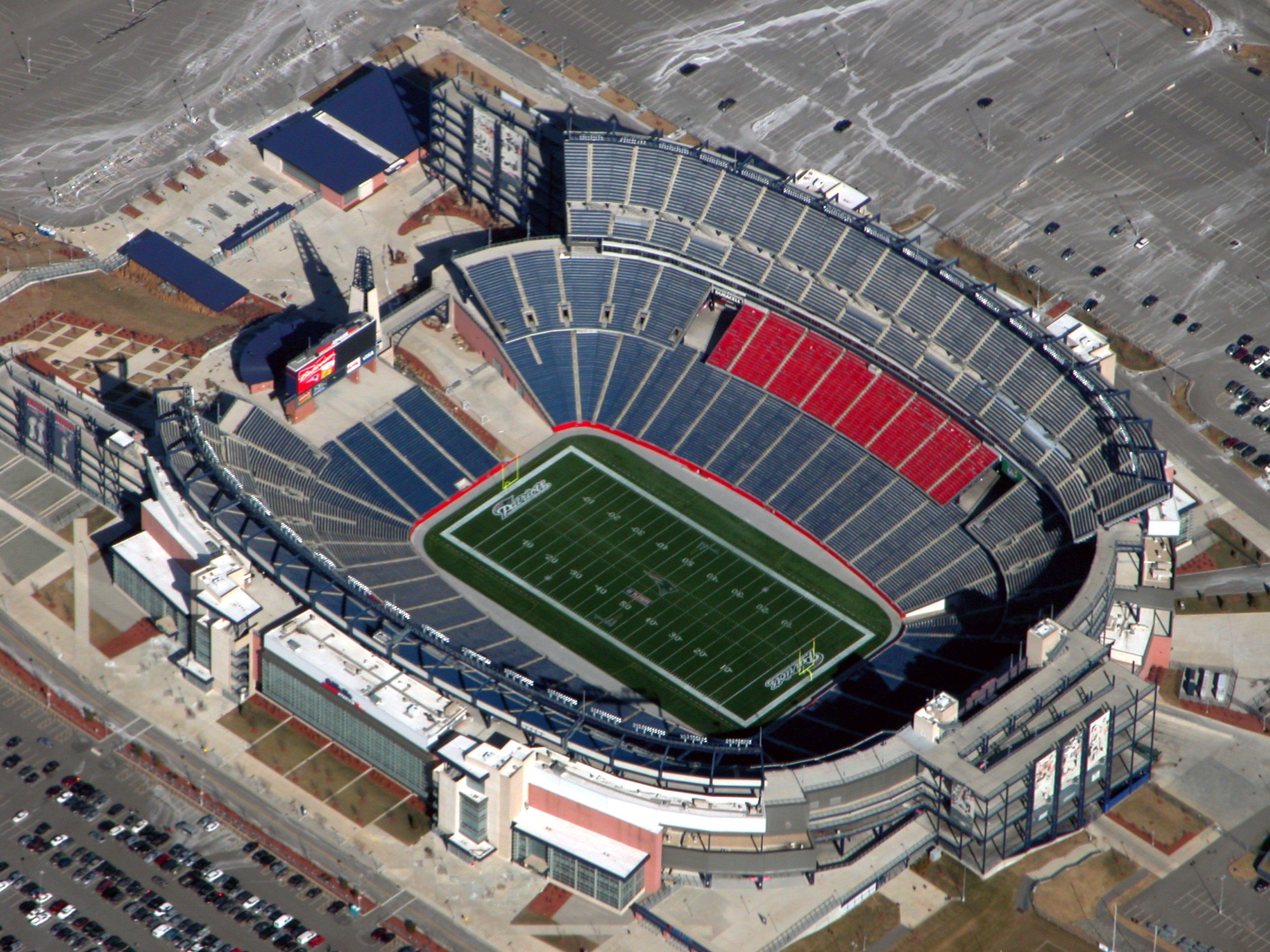
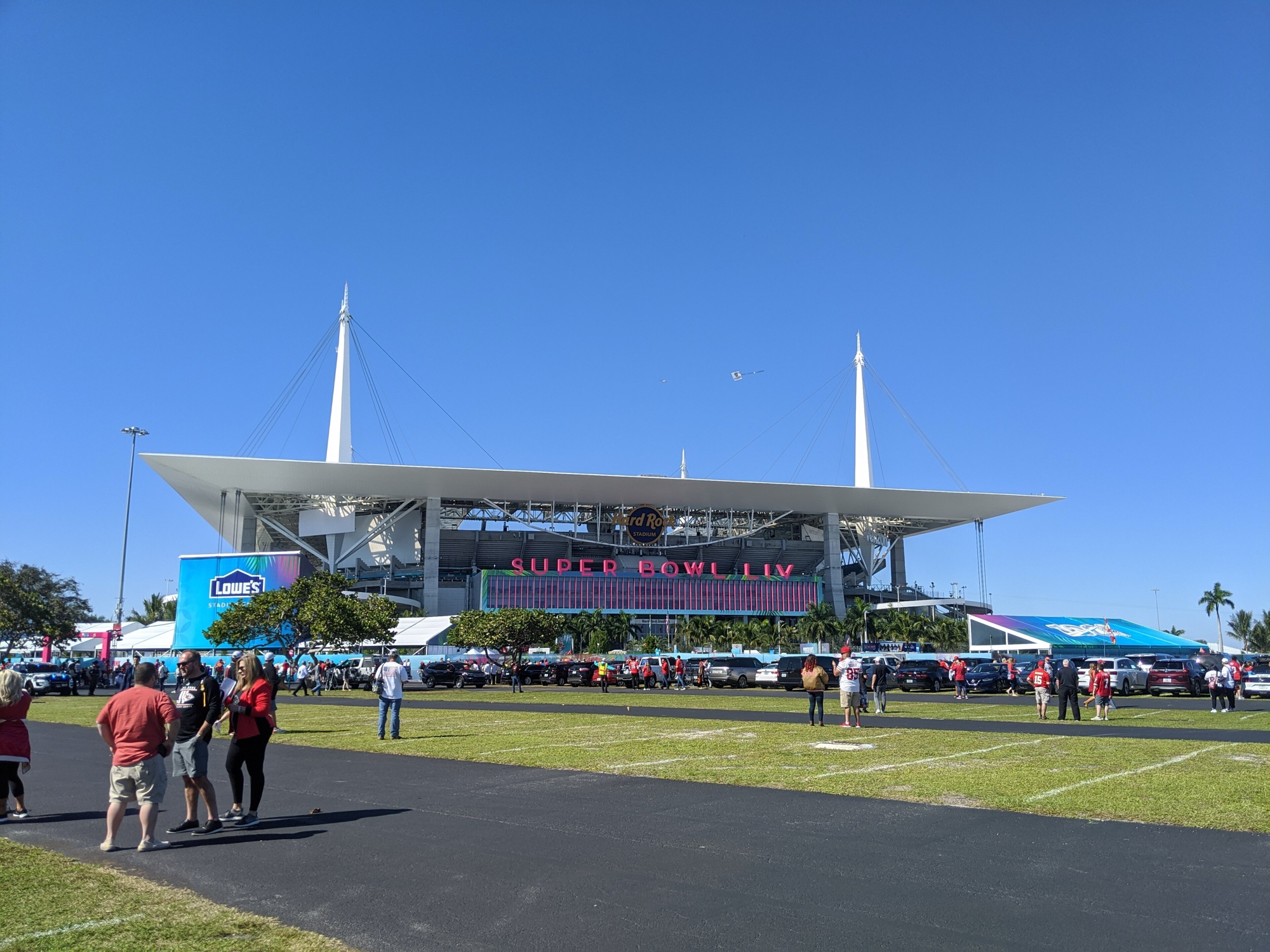
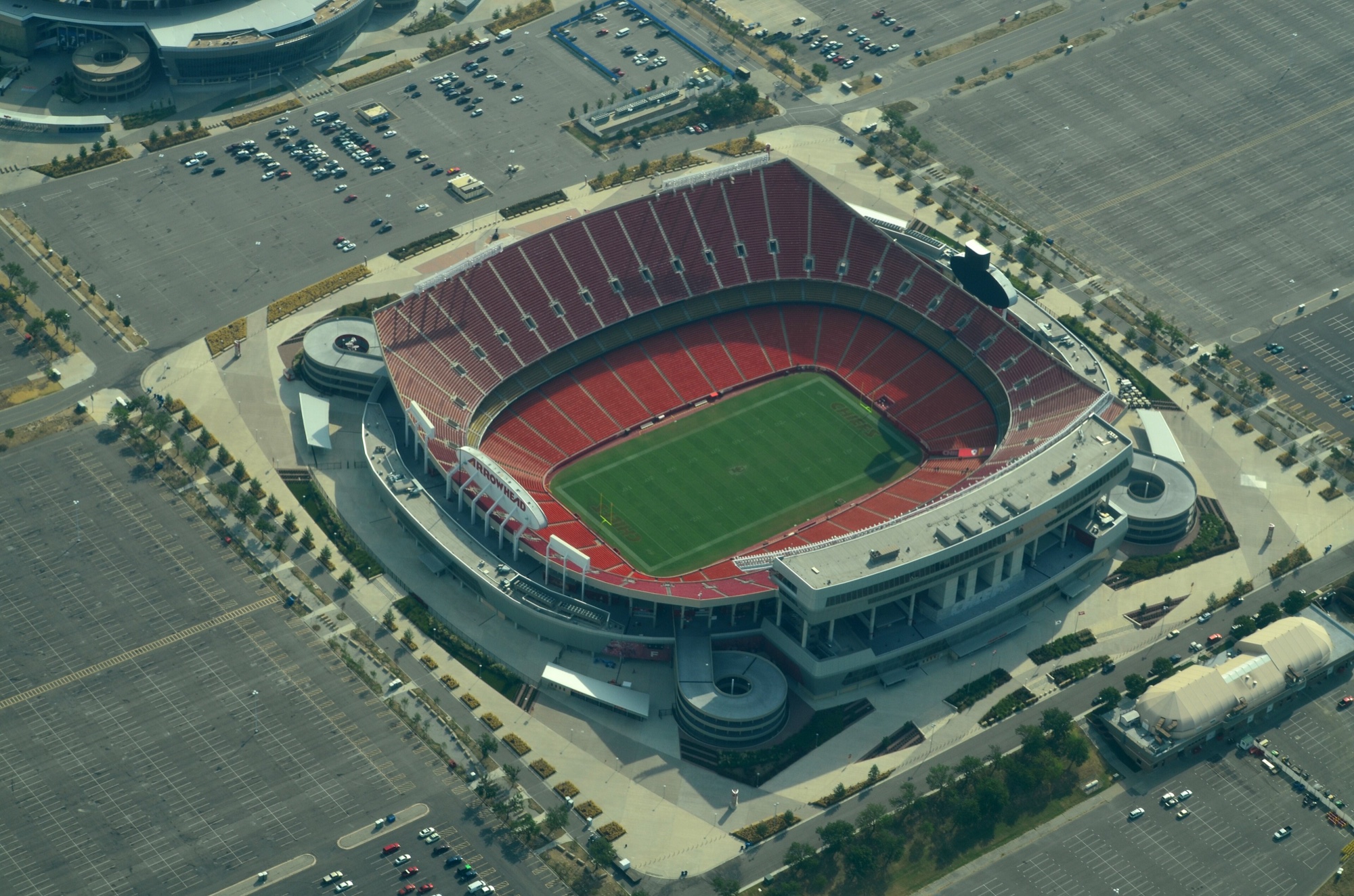
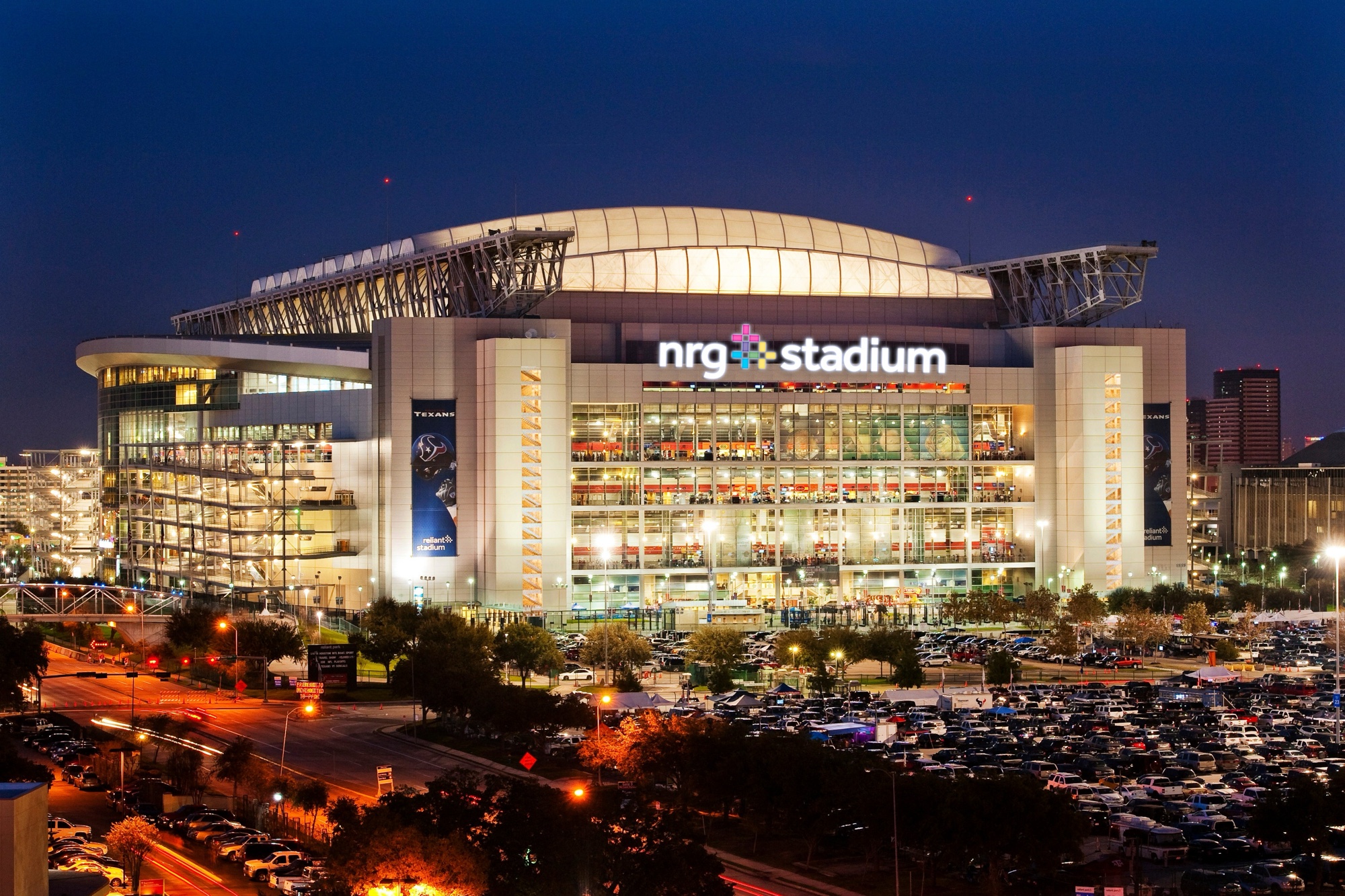
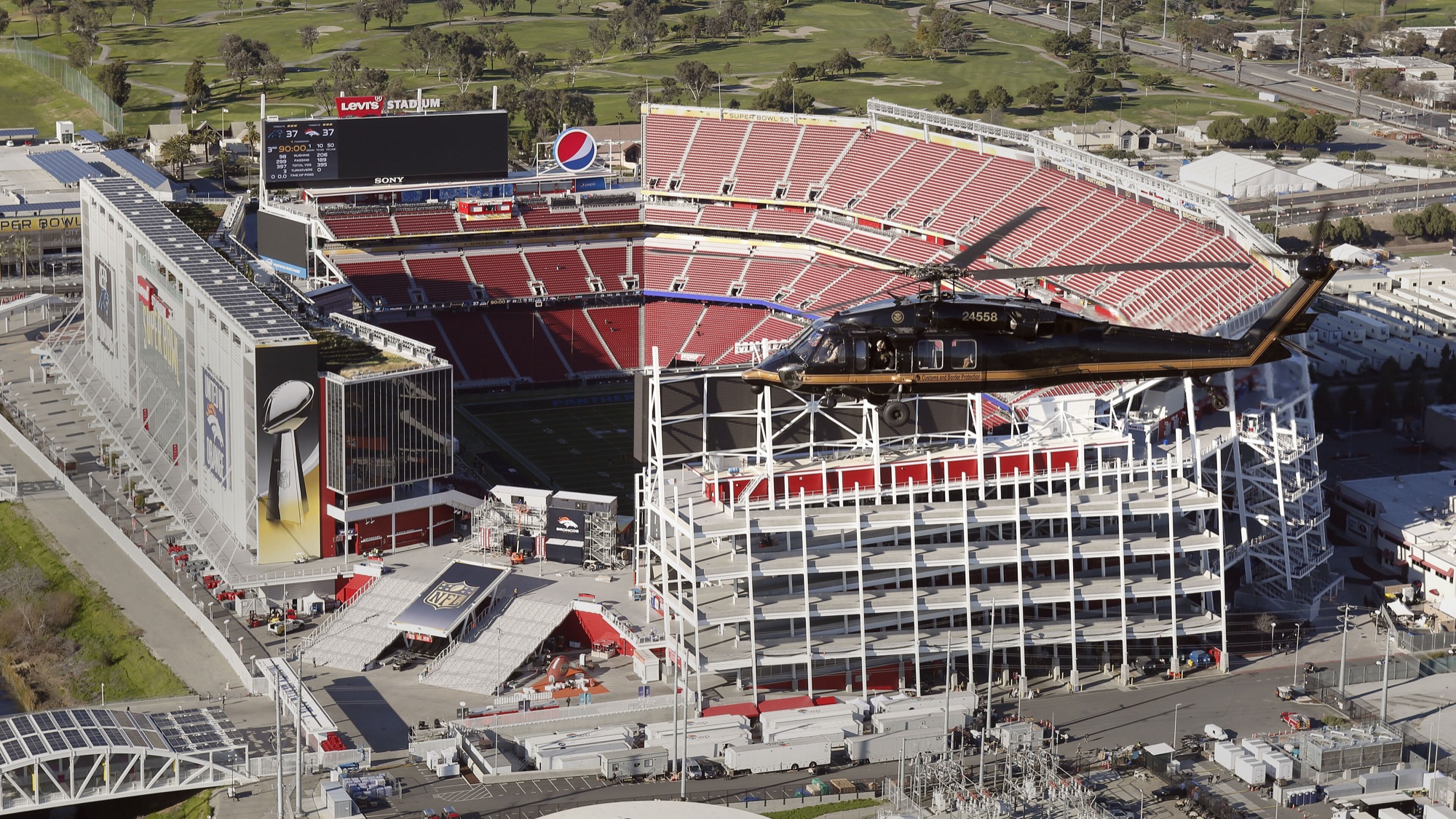
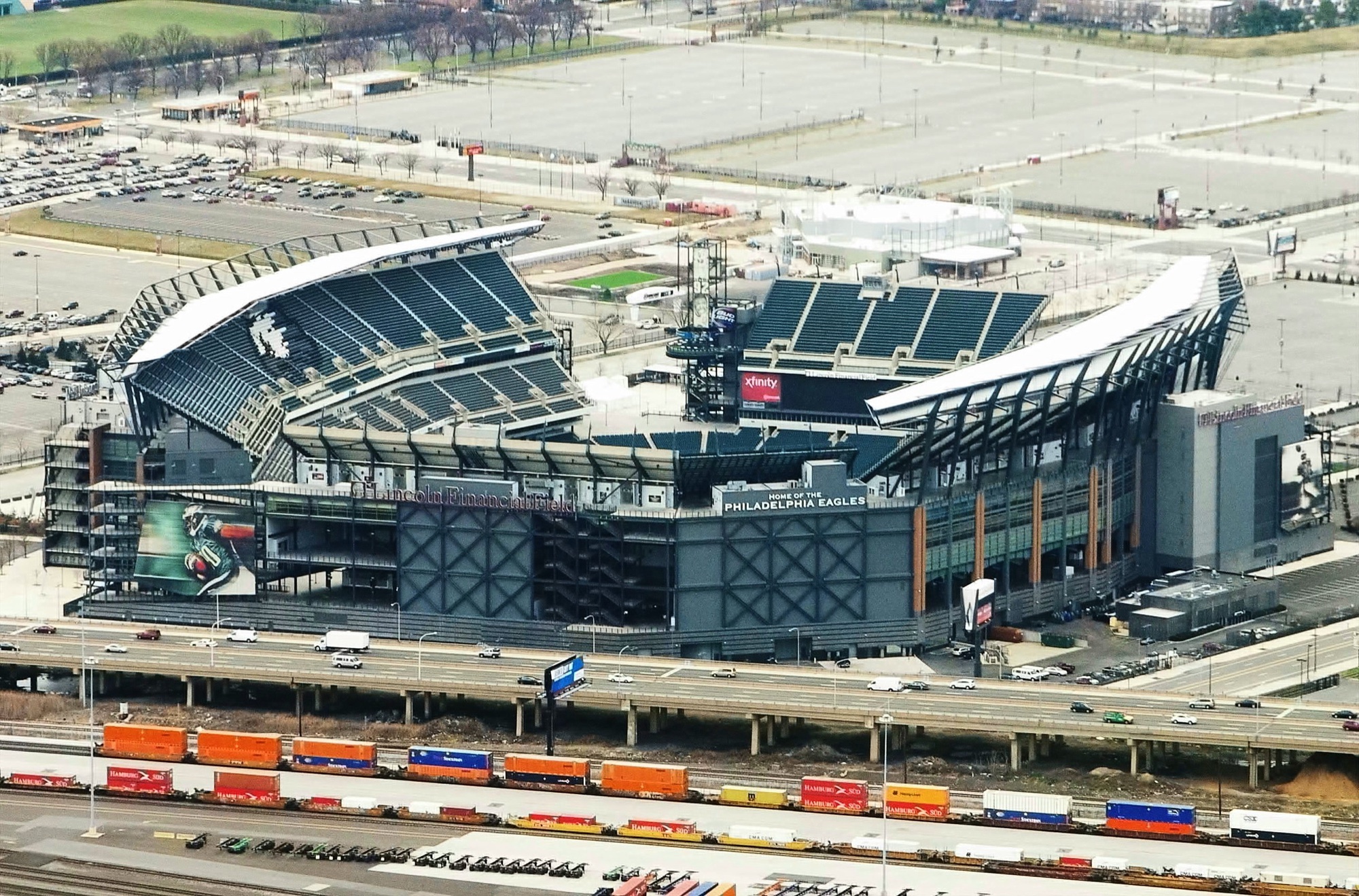
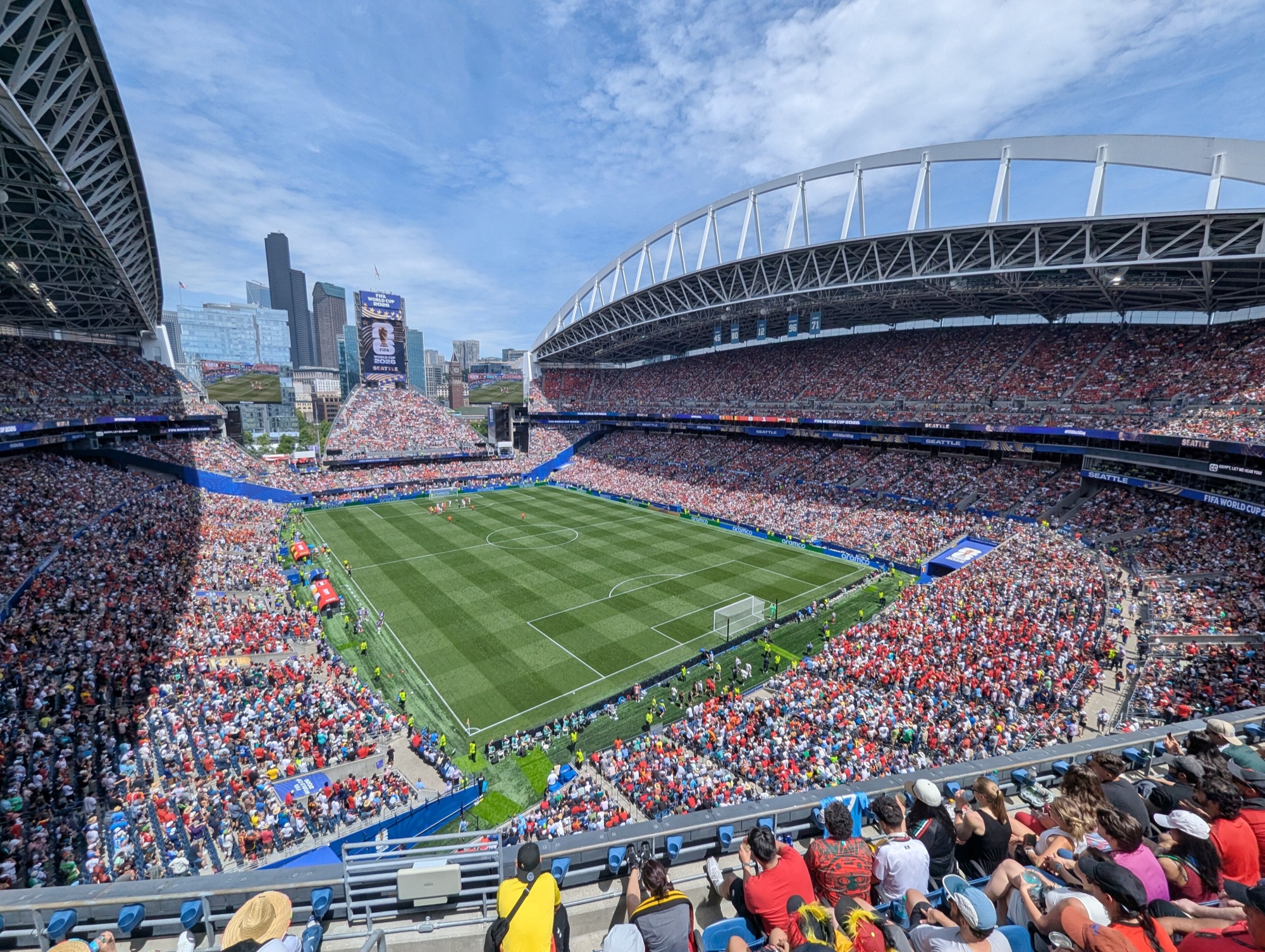
The 11 US host markets are: New York/New Jersey (MetLife Stadium), Dallas/Arlington (AT&T Stadium), Atlanta (Mercedes-Benz Stadium), Los Angeles/Inglewood (SoFi Stadium), Boston/Foxborough (Gillette Stadium), Miami (Hard Rock Stadium), Kansas City (Arrowhead Stadium), Houston (NRG Stadium), San Francisco/Santa Clara (Levi's Stadium), Philadelphia (Lincoln Financial Field) and Seattle (Lumen Field).
Yes. Canada has two host stadiums: BC Place in Vancouver (British Columbia) and BMO Field in Toronto (Ontario). As a co-host nation, Canada's national team matches are expected to be played at one of these venues.
The 16 venues span more than 5,000 kilometers from Vancouver in the northwest to Miami in the southeast and Mexico City in the south. Fans attending multiple matches in different cities should plan for significant travel, potentially crossing time zones and international borders.